Warsaw Ghetto Uprising
Videos
The Warsaw Ghetto Uprising was an uprising by the Jewish resistance in the Warsaw Ghetto in German-occupied Poland during World War II to oppose Nazi Germany's final effort to transport the remaining

Jewish women and children forcibly removed from a bunker by Schutzstaffel (SS) units for deportation either to Majdanek or Treblinka extermination camps (1943); one of the most iconic pictures of the Holocaust.

Corner of Żelazna 70 and Chłodna 23 (looking east). This section of Żelazna street connected the "large ghetto" and "small ghetto" areas of German-occupied Warsaw.

Resistance members captured at Nowolipie 64 near intersection with Smocza. Hasia Szylgold-Szpiro is on the right.

Captured Jews are led by German troops to the assembly point for deportation. Picture taken at Nowolipie Street, near the intersection with Smocza.
Mordechai Anielewicz
Videos
Mordechai Anielewicz was the Polish leader of the Jewish Combat Organization during the Warsaw Ghetto Uprising; the largest Jewish resistance movement during the Second World War. Anielewicz inspired
Warsaw Ghetto Uprising
…Bunker at 18 Miła Street. Most of the organization's remaining leadership and dozens of others committed mass suicide by ingesting cyanide, including Mordechai Anielewicz, the chief commander of ŻOB. His deputy Marek Edelman escaped the ghetto through the sewers with a handful of comrades two days later. With the fall…

Mordechai Anielewicz

Monument to the Ghetto Heroes (Aniołek is in the center, wielding a hand grenade)
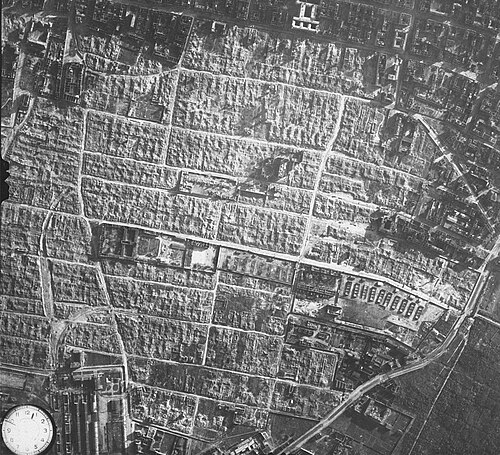
1944 Aerial photograph of the destroyed Warsaw Ghetto

Warsaw Ghetto in flames. Photo taken in the end of April 1943 from an overpass which connect Żoliborz district with Warsaw's downtown