Water pollution
Videos
Water pollution is the contamination of water bodies, which has a negative impact on how they can be used. It is usually caused by human activities. Water bodies include lakes, rivers, oceans, aquifer

Garbage floating in water, Circular Quay, Sydney, Australia

Poster to teach people in South Asia about human activities leading to the pollution of water sources

Bauxite residue is an industrial waste that is dangerously alkaline and can lead to water pollution if not managed appropriately (photo from Stade, Germany).
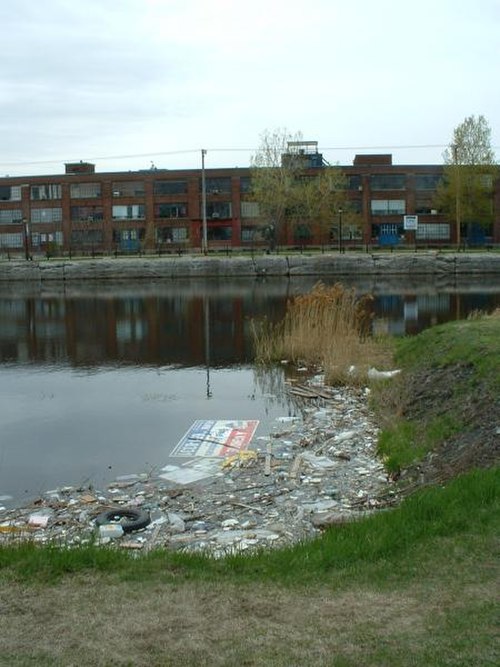
Solid waste and plastics in the Lachine Canal, Canada
Drinking water
Videos
Drinking water or potable water is water that is safe for ingestion, either when drunk directly in liquid form or consumed indirectly through food preparation. It is often supplied through taps, in wh
Water pollution
…spreading water-borne diseases when people use polluted water for drinking or irrigation. Water pollution also reduces the ecosystem services such as drinking water provided by the water resource. Sources of water pollution are either point sources or non-point sources. Point sources have one identifiable cause…

Drinking water that is supplied through a tap (tap water)

Drinking water vending machines in Thailand. One liter of potable water is sold (into the customer's own bottle) for 1 baht.

The "F-diagram" (feces, fingers, flies, fields, fluids, food), showing pathways of fecal–oral disease transmission. The vertical blue lines show barriers: toilets, safe water, hygiene and handwashing.

Poverty often leads to unhygienic living conditions, as in this community in the Indian Himalayas. Such conditions promote contraction of diarrheal diseases, as a result of contaminated drinking water, poor sanitation and hygiene.