Western canon
Videos
The Western canon is the body of high-culture literature, philosophy, art, music and architecture from the Western world, with works classified within it considered to be—and celebrated—as classics in
Dante, Homer and Virgil in Raphael's Parnassus fresco (1511), key figures in the Western canon


Detail of Sappho from Raphael's Parnassus (1510–11), shown alongside other poets. In her left hand, she holds a scroll with her name written on it.

Picasso, Girl with a Mandolin (Fanny Tellier) (1910), oil on canvas, 100.3 × 73.6 cm, Museum of Modern Art, New York
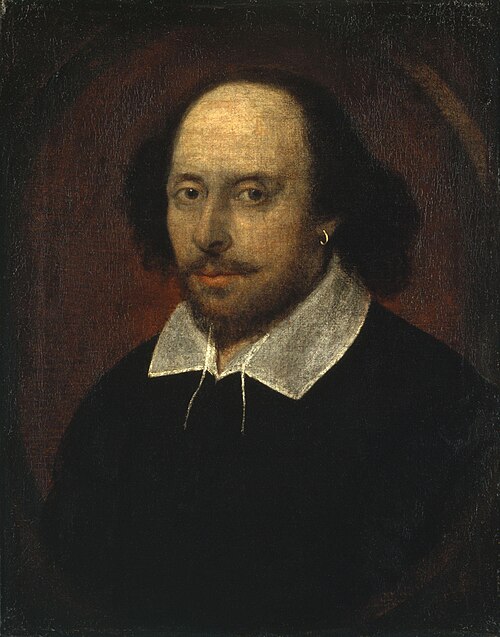
Chandos portrait of the English playwright and poet William Shakespeare
Great Divergence
Videos
The Great Divergence or European miracle is the socioeconomic shift in which Western Europe along with former settler colonies in Northern America and Australasia overcame pre-modern growth constraint
Western canon
…be—and celebrated—as classics in the context of Western civilization. The concept has been discussed and debated in cultural criticism with regards to Western exceptionalism and which works constitute the canon, given the lack of official standardization of the category. A classic is an artistic work that has been accoladed…

The Cathedral of Notre-Dame de Paris, begun in 1163 and largely completed by 1260

Detail of a portrait of Cardinal Hugh of Saint-Cher (wearing spectacles), painted by Tommaso da Modena in 1352

The distribution of coal deposits shaped industrial development in Britain.

Courtyard of the Amsterdam Stock Exchange, circa 1670