The Whigs were a political party in the Parliaments of England, Scotland, Ireland, Great Britain and the United Kingdom. Between the 1680s and the 1850s, the Whigs contested power with their rivals, t
Anthony Ashley Cooper, 1st Earl of Shaftesbury, painted more than once during his chancellorship in 1672 by John Greenhill

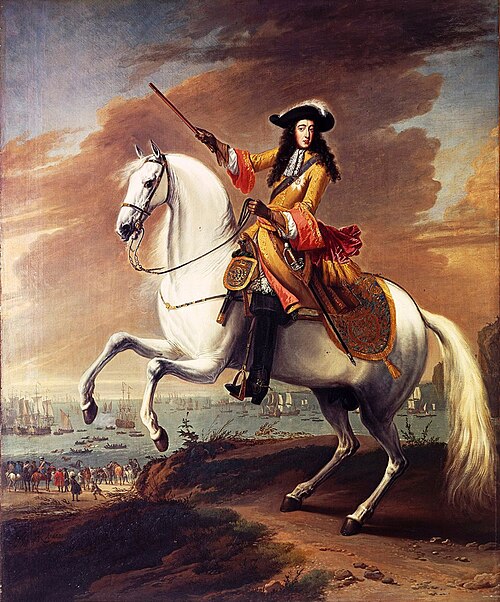
Equestrian portrait of William III by Jan Wyck, commemorating the landing at Brixham, Torbay, 5 November 1688

A c. 1705 portrait of John Somers, 1st Baron Somers by Godfrey Kneller

In A Block for the Wigs (1783), caricaturist James Gillray caricatured Charles James Fox's return to power in a coalition with Frederick North, Lord North (George III is the blockhead in the centre).
Liberal Party (UK)
Videos
The Liberal Party was one of the two major political parties in the United Kingdom, along with the Conservative Party, in the 19th and early 20th centuries. Beginning as an alliance of Whigs, free tra
Whigs (British political party)
…Great Britain and the United Kingdom. Between the 1680s and the 1850s, the Whigs contested power with their rivals, the Tories. The Whigs became the Liberal Party when the faction merged with the Peelites and Radicals in the 1850s. Many Whigs left the Liberal Party in 1886 over the issue of Irish Home Rule to…

Viscount Palmerston
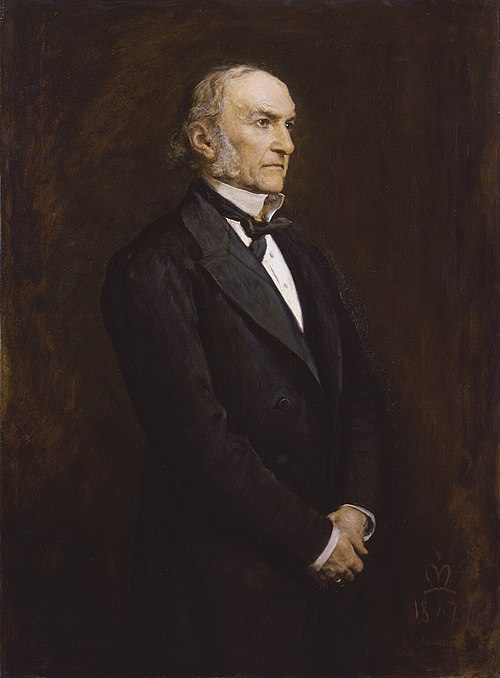
Portrait of William Ewart Gladstone by John Everett Millais, 1879
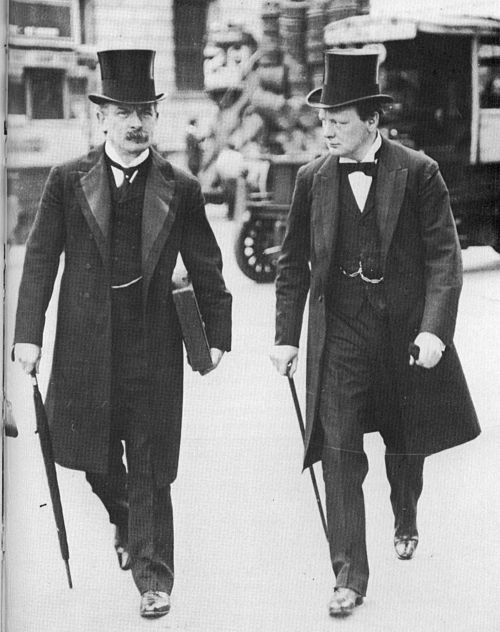
Liberal politicians David Lloyd George and Winston Churchill enacted the 1909 People's Budget which specifically aimed at the redistribution of wealth.

Liberal poster c. 1905–1910, clockwise from the left: Joseph Chamberlain (satirised as an unmarried mother leaving her baby at a Foundling hospital) abandons his commitment to old age pensions after failing to reach agreement with the Friendly Societies; Chancellor Austen Chamberlain threatens duties on consumer items which had been removed by Gladstone (in the picture on the wall); Chinese indentured labour in South Africa; John Bull contemplates his vote; and Joseph Chamberlain and