White Aethiopians
Videos
White Aethiopians is a term found in ancient Greco-Roman literature, which may have referred to various light-complexioned populations inhabiting the Aethiopia region of antiquity. The exonym is used

A sultan and his forces (right) battling the Abyssinian King and his men (Le Livre des Merveilles, 15th century). Leo Africanus wrote that "olive" complexioned people were among the natives of the kingdoms in the Horn of Africa.

Louis Vivien de Saint-Martin suggested that the ancient Leucaethiopes were Berbers who had penetrated southward into the desert.

Edmund Dene Morel suggested that the early Fulani could have been Pliny's Leucaethiopes.
Leo Africanus
Videos
Johannes Leo Africanus was an Andalusi diplomat and author who is best known for his 1526 book Cosmographia et geographia de Affrica, later published by Giovanni Battista Ramusio as Descrittione dell'
White Aethiopians
…Orosius. These authorities do not, however, agree on the geographical location of the White Aethiopians. Medieval geographers, including Ibn Hawqal and Leo Africanus, similarly noted the existence of various "white" or "olive" groups and individuals in territories and kingdoms south of the Sahara. However, the fate…

Portrait of a Humanist, c. 1520. The identity of the sitter is unknown but suggested possibly to be Leo Africanus

The courtyard of the University of al-Qarawiyyin, Fez, Morocco, where al-Hasan (future Leo Africanus) studied.
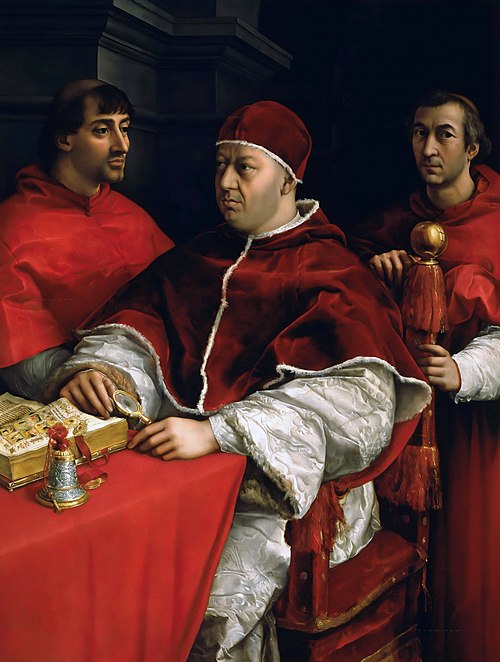
Pope Leo X (center) was Leo's initial benefactor in Rome. His cousin, Giulio de' Medici (left) later became Pope Clement VII and continued the papal patronage of Leo.

The title page of the 1600 English edition of Leo Africanus's book on Africa.