William Paley
Videos
William Paley was an English Anglican clergyman, philosopher, abolitionist and utilitarian. He was at times referred to as a Christian apologist by his critics. He is best known for his natural theolo
Portrait by George Romney, 1789–1791


Title Page of William Paley's Natural Theology or Evidences of the Existence and Attributes of the Deity, 1802

Three churchmen: John Wesley, William Paley, and Beilby Porteus. A posthumous engraving.
Teleological argument
Videos
The teleological argument, also known as physico-theological argument, argument from design, or intelligent design argument, is a rational argument for the existence of God or, more generally, that co
William Paley
…and utilitarian. He was at times referred to as a Christian apologist by his critics. He is best known for his natural theology exposition of the teleological argument for the existence of God in his 1802 work Natural Theology or Evidences of the Existence and Attributes of the Deity, which made use of the watchmaker…

Plato and Aristotle, depicted here in The School of Athens, both developed philosophical arguments addressing the universe's apparent order (logos).
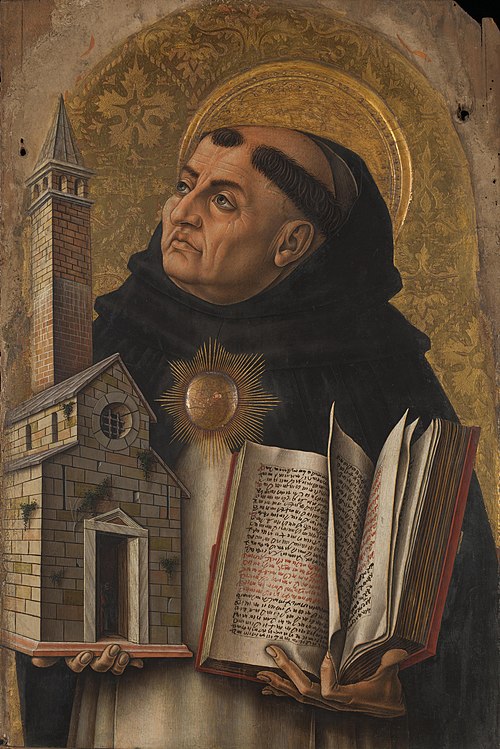
The fifth of Thomas Aquinas' proofs of God's existence was based on teleology.

David Hume outlined his criticisms of the teleological argument in his Dialogues Concerning Natural Religion.

Voltaire argued that, at best, the teleological argument could only indicate the existence of a powerful, but not necessarily all-powerful or all-knowing, intelligence.