Wine fraud
Videos
Wine fraud relates to dishonest behavior in the commerce of wine. The most prevalent type of fraud involves wines that are adulterated, usually with the addition of cheaper products and sometimes with

Expensive and highly collectible wines such as the French Bordeaux wine from Château Pétrus are often the target of wine fraud.
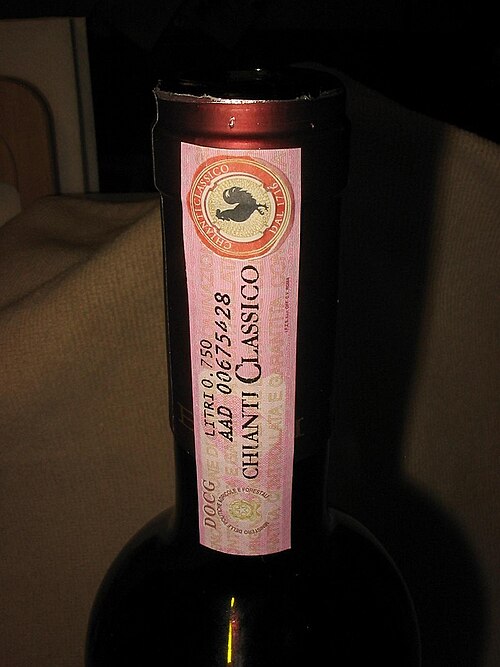
Several European countries developed appellation systems, with their own unique labels and seals, to try to combat label fraud that misrepresented a wine's true origins.

The rumors that grapes other than Sangiovese (pictured) were being used in the production of Brunello di Montalcino triggered an investigation into the potential wine fraud.

A dangerous form of wine fraud is the use of hazardous materials in the wine making. Ancient Romans and others used to blend lead acetate into their wine in order to add sweetness.
The 1985 Austrian diethylene glycol wine scandal was an incident in which several Austrian wineries were found to be illegally adulterating their wines using the toxic substance diethylene glycol to m
Wine fraud
…that can be added to wine in order to avoid some of the scandals that have plagued certain wine producing countries in the 20th century. In 1985, diethylene glycol was added as an adulterant by some Austrian producers of white wines to make them sweeter and upgrade the dry wines to sweet wines; production of sweet wines is expensive and…

Ripe grapes affected by noble rot, a type of fungal mold which grows on grapes and results in a very sweet and concentrated wine when processed.

Heiner Geißler was the German minister for health in 1985. His ministry issued health warnings for Austrian wines and a blacklist with all wines found to contain diethylene glycol.

A mandatory numbered seal on all Austrian wine bottles at Qualitätswein level was one of the measures introduced in the 1985 Austrian wine law.

The Federal Administrative Court of Germany, then still located in Berlin, ruled against bottling firm Pieroth and upheld the legality of the list.