Wuxing (Chinese philosophy)
Videos
Wuxing, translated as Five Moving Ones, Five Circulations, Five Types of Energy, Five Elements, Five Transformations, Five Phases or Five Agents, is a fivefold conceptual scheme used in many tradition
Tablet in the Temple of Heaven of Beijing, written in Chinese and Manchu, dedicated to the gods of the Five Movements. The Manchu word usiha, meaning "star", explains that this tablet is dedicated to the five planets, Jupiter, Mars, Saturn, Venus and Mercury, and the movements which they govern.

Classical element
Videos
The classical elements typically refer to earth, water, fire, air, and aether which were proposed to explain the nature and complexity of all matter in terms of simpler substances. Ancient cultures in
Wuxing (Chinese philosophy)
…first translated into English as "the Five Elements", drawing parallels with the Greek and Indian Vedic static, solid or formative arrangement of the four elements. This translation is still in common use among practitioners of Traditional Chinese medicine, such as in the name of Five Element acupuncture, Five…
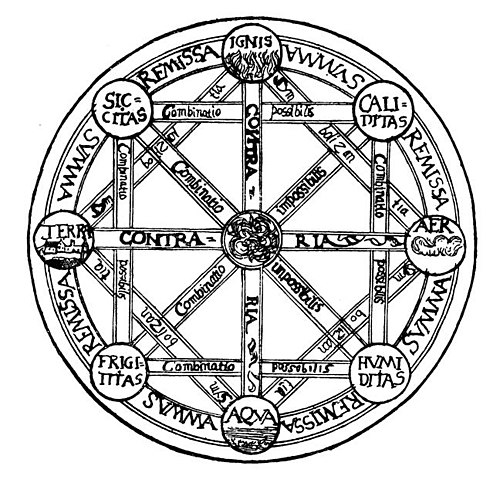
Leibniz's representation of the universe as a result of the combination of Aristotle's four elements

Rococo set of personification figurines of the Four Elements, 1760s, Chelsea porcelain
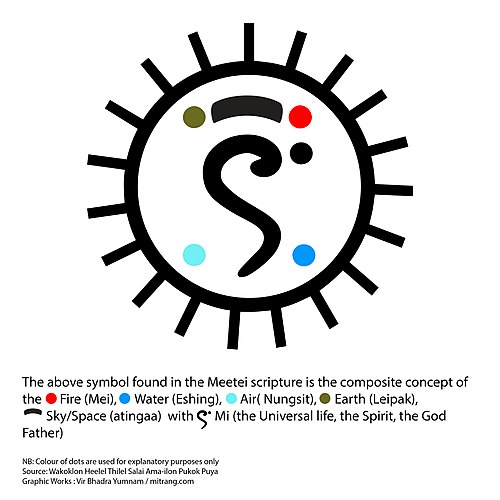
The concept of five classical elements in the traditional Meitei religion (Sanamahism)

Plato