Xalam
Videos
Xalam is a traditional lute from West Africa with 1 to 5 strings. The xalam is commonly played in Mali, Gambia, Senegal, Niger, Northern Nigeria, Northern Ghana, Burkina Faso, Mauritania, and Western

Molo, African lute, in the collection of the Smithsonian. The biggest visible difference between the molo and a griot lute like the xalam is the bridge, which is cylindrical on this instrument, but has a fan shape on the xalam.

A Hausa Griot playing the gurmi (a Hausa variant of the xalam with a spherical body) in Diffa, Niger.

Back of a molo (lute, showing how the skin soundboard is held on)
Lute
Videos
A lute is any plucked string instrument with a neck and a deep round back enclosing a hollow cavity, usually with a sound hole or opening in the body. It may be either fretted or unfretted.
Xalam
…Xalam (in Serer, khalam in Wolof, and Molo in Dagbani and Zarma) is a traditional lute from West Africa with 1 to 5 strings. The xalam is commonly played in Mali, Gambia, Senegal, Niger, Northern Nigeria, Northern Ghana, Burkina Faso…
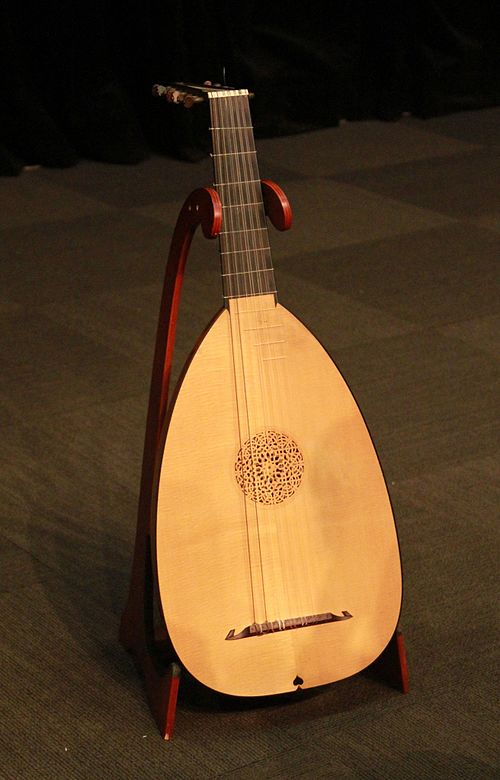
Renaissance lute in 2013

Ancient Egyptian tomb painting depicting players with long-necked lutes, 18th Dynasty (c. 1350 BC).
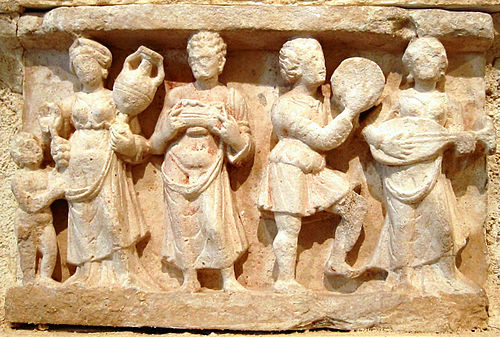
Hellenistic banquet scene from 1st century A.D., Hadda, Gandhara. Lute player with short-necked lute, far right.

Lute in Pakistan, Gandhara, probably Butkara in Swat, Kushan Period (1st century-320)