York
Videos
York is a cathedral city in North Yorkshire, England, with Roman origins, sited at the confluence of the rivers Ouse and Foss. It has many historic buildings and other structures, including the minste

York Minster

Clifford's Tower, from south

Guildhall Annex, Municipal Offices and Guildhall geograph.org.uk 5475746

Constantine the Great Statue in York, commissioned in 1998 and sculptured by Philip Jackson, Eboracum, York, England
North Yorkshire
Videos
North Yorkshire is a ceremonial county in Northern England. It is bordered by County Durham to the north, the North Sea to the east, the East Riding of Yorkshire to the south-east, South Yorkshire to
York
…York is a cathedral city in North Yorkshire, England, with Roman origins, sited at the confluence of the rivers Ouse and Foss. It has many historic buildings and other structures, including the…

2015 Ribblehead Viaduct 1
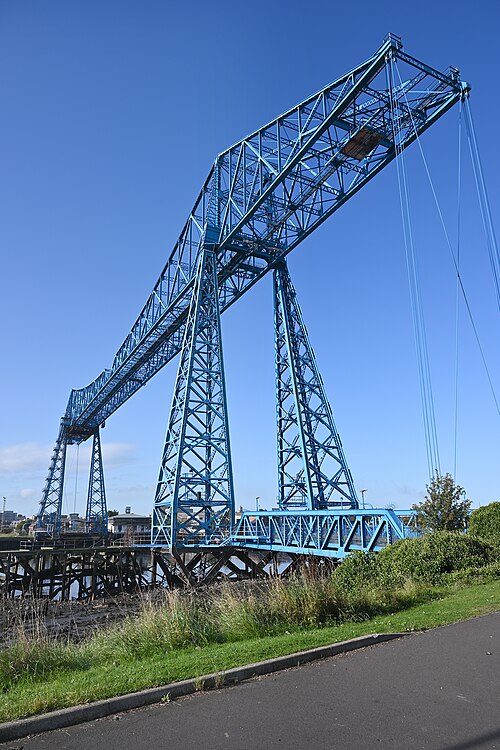
River Tees Transporter Bridge 05

Staithes, North Yorkshire

York Minster from the Lendal Bridge