Younger Dryas
Videos
The Younger Dryas was the final climatic phase of the Last Glacial Period that occurred from around 12,900 to 11,700 years Before Present. It is primarily known for the sudden or abrupt cooling in the
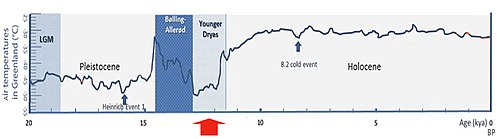
Greenland ice cores since the Last Glacial Maximum show very low temperatures for the most part of the Younger Dryas, which then rise rapidly during the Holocene transition

Dryas octopetala is the indicator species for the period
Holocene
Videos
The Holocene is the current geological epoch, beginning approximately 11,700 years ago. It follows the Last Glacial Period, which concluded with the Holocene glacial retreat. The Holocene and the prec
Younger Dryas
…period ended as rapidly as it began, with dramatic warming over around 50 years, the transition from the glacial Pleistocene epoch into the current Holocene interglacial. The Younger Dryas onset was not fully synchronized; in the tropics, the cooling was spread out over several centuries, and the same was…

A model of Çatalhöyük, a commonly cited example of a proto-city, 7300 BC

Stages of proglacial lake development in the region of the current North American Great Lakes
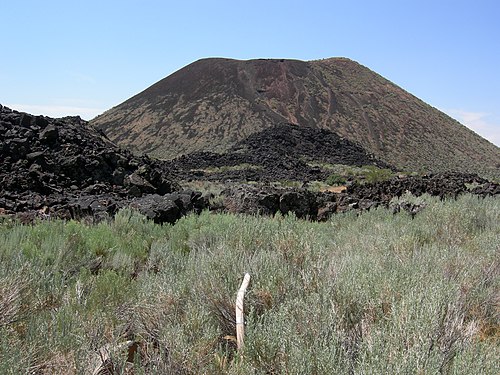
Holocene cinder cone volcano on Utah State Route 18 near Veyo

Bronze bead necklace, Muséum de Toulouse