Yule
Videos
Yule is a winter festival and time of the year historically observed by heathen Germanic peoples that was later merged with the festival of Christmas during the process of Christianisation. The oldest
A drinking scene on the Tängelgårda IV image stone from Gotland, in the Swedish Museum of National Antiquities in Stockholm


Reconstruction of a Taplow drinking horn, British Museum.

Fresco of two warriors, one of which with the head of a dog, on the ceiling of St. Sophia Cathedral in Kyiv.

Julbock costume, Bungemuseet, Gotland.
Wild Hunt
Videos
The Wild Hunt is a folklore motif occurring across various northern, western and eastern European societies, appearing in the religions of the Germanics, Celts, and Slavs. Wild Hunts typically involve
Yule
…farms, such as trolls and undead draugar. Such traditions closely resemble folk practices and beliefs from the modern period such as julebukking and the Wild Hunt, which may have partly heathen roots. Because of the blending of the festival period and Christmas, Yule and its cognates are still used to refer to…
![Asgårdsreien [The Wild Hunt of Odin] (1872) by Peter Nicolai Arbo](https://upload.wikimedia.org/wikipedia/commons/thumb/7/75/La_caza_salvaje_de_Od%C3%ADn%2C_por_Peter_Nicolai_Arbo.jpg/500px-La_caza_salvaje_de_Od%C3%ADn%2C_por_Peter_Nicolai_Arbo.jpg)
Asgårdsreien [The Wild Hunt of Odin] (1872) by Peter Nicolai Arbo

"Wodan's Wild Hunt" (1882) by Friedrich Wilhelm Heine

Odin continued to hunt in Norse myths. Illustration by August Malmström.
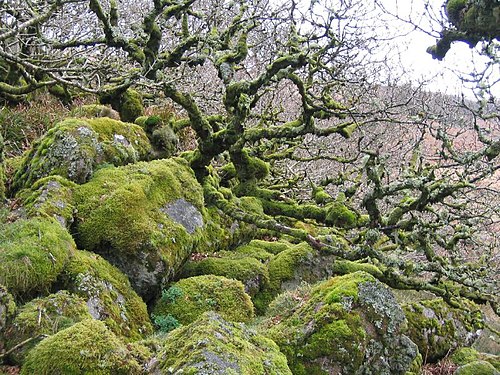
Wistman's Wood in Devon, England