Zona Sur
Videos
Zona Sur is one of the five natural regions on which CORFO divided continental Chile in 1950. Its northern border is formed by the Bío-Bío River, which separates it from the Central Chile Zone. The So

Aerial view of the volcanic alignment of Villarrica, Quetrupillán and Lanín which follow the Mocha-Villarrica Fault Zone.

View of Termas Geométricas near Coñaripe. The Andes of Zona Sur host numerous hotsprings.

Male southern pudú; Los Lagos Region.

Puerto Varas shows the influence of German inmigration.
Zona Austral
Videos
The Zona Austral is one of the five natural regions into which CORFO divided continental Chile in 1950 corresponding to the Chilean portion of Patagonia. It is surrounded by the Zona Sur and the Chaca
Zona Sur
…Ocean to the west, and to the east lies the Andean mountains and Argentina. Its southern border is the Chacao Channel, which forms the boundary with the Austral Zone. While the Chiloé Archipelago belongs geographically to the Austral Zone in terms of culture and history, it lies closer to the Southern Zone. Although…
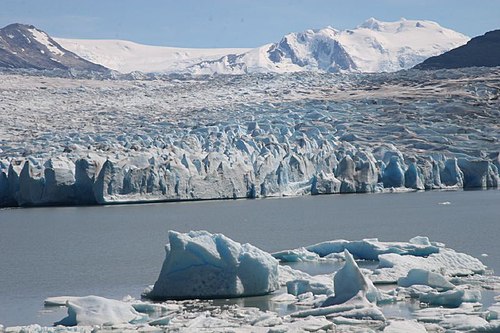
Grey Glacier in the picture is one of the many outlet glaciers of the Southern Patagonian Ice Field

View of Puerto Williams with Dientes de Navarino mountains behind

Torres del Paine National Park

Panoramical view of Coihaique