Zooplankton
Videos
Zooplankton are the heterotrophic component of the planktonic community, having to consume other organisms to thrive. The name comes from Ancient Greek ζῷον, meaning "animal", and πλαγκτός, meaning "d

Zooplankton sample including several species of copepods (1–5), gastropod larva (6) doliolids (7), fish eggs (8), and decapod larva (9) (Photo by Iole Di Capua)

Upper left: Biogeochemical models Right: Ecosystem models Lower left: Size-spectra models These models also have temporal and spatial components.
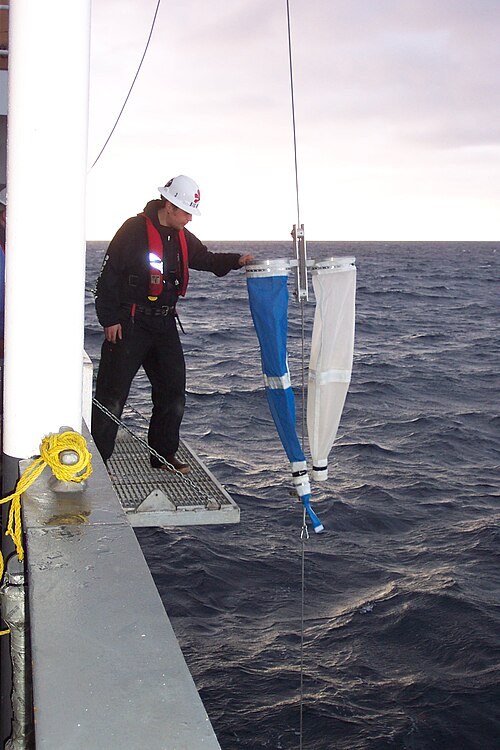
PairoVET tow
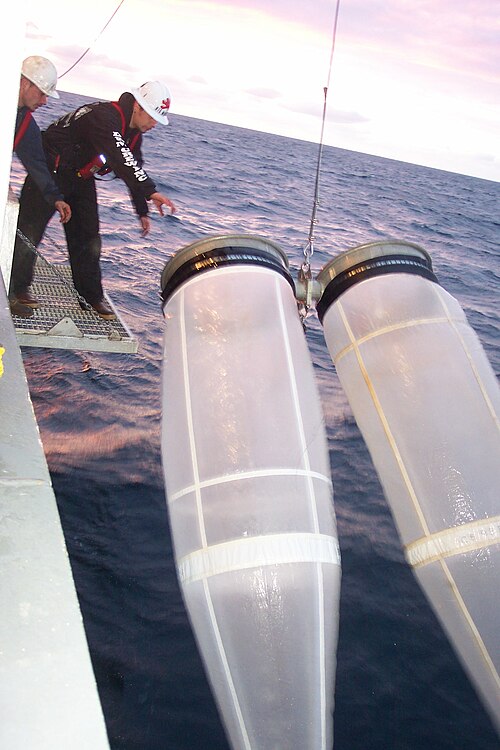
Bongo tow
Plankton
Videos
Plankton are organisms that drift in water but are unable to actively propel themselves against currents. Marine plankton include drifting organisms that inhabit the saltwater of oceans and the bracki
Zooplankton
…Zooplankton are the heterotrophic component of the planktonic community, having to consume other organisms to thrive. The name comes from Ancient Greek ζῷον (zōîon), meaning "animal", and πλαγκτός (planktós…

Marine microplankton and mesoplankton Part of the contents of one dip of a hand net. The image contains diverse planktonic organisms, ranging from photosynthetic cyanobacteria and diatoms to many different types of zooplankton, including both holoplankton (permanent residents of the plankton like copepods) and meroplankton (temporary residents of the plankton like fish eggs and crab larvae). 100 μm is one tenth of a mm

The coccolithophore Emiliania huxleyi (μm = thousandth of one mm)
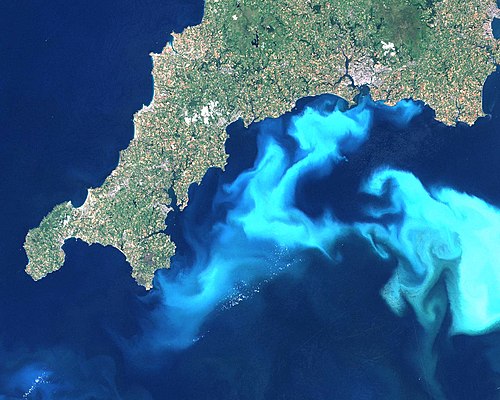
Algae bloom of Emiliania huxleyi off the southern coast of England

Plankton species diversity Diverse assemblages of unicellular and multicellular organisms with different sizes, shapes, feeding strategies, ecological functions, life cycle characteristics, and environmental sensitivities. Courtesy of Christian Sardet/CNRS/Tara expeditions