Electrochemical cell
Videos
An electrochemical cell is a device that generates electrical energy from chemical reactions. Electrical energy can also be applied to these cells to cause chemical reactions to occur. Electrochemical cells that generate an electric current are called voltaic or galvanic cells and those that generate chemical reactions, via electrolysis for example, are called electrolytic cells.

A modern electrolytic cell consisting of two half reactions, two electrodes, a salt bridge, voltmeter, and a battery.

Circuit diagram of a primary cell showing difference in cell potential, and flow of electrons through a resistor.
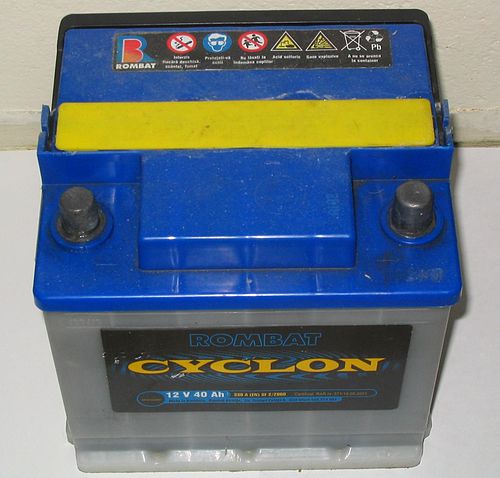
Lead acid car battery (secondary cell)
Salt bridge
Videos
In electrochemistry, a salt bridge or ion bridge is an essential laboratory device discovered over 100 years ago. It contains an electrolyte solution, typically an inert solution, used to connect the oxidation and reduction half-cells of a galvanic cell, a type of electrochemical cell. In short, it functions as a link connecting the anode and cathode half-cells within an electrochemical cell. It also maintains electrical neutrality within the internal circuit and stabilizes the junction potential between the solutions in the half-cells. Additionally, it serves to minimize cross-contamination between the two half cells and helps concentrate our focus on unfolding the funtion of working electrodes of the half-cells.

Charcoal (black box at the bottom of the cell) acts as a salt bridge to allow ion transfer.