Śāntarakṣita
Videos
Śāntarakṣita, whose name translates into English as "protected by the One who is at peace" was an important and influential Indian Buddhist philosopher, particularly for the Tibetan Buddhist tradition

Statue of Śāntarakṣita at Guru Lhakhang Monastery, Bouddhanath

19th-century painting depicting biographical episodes from the life of Shantarakshita

Seated Buddha
Madhyamaka
Videos
Madhyamaka also known as Madhyamika refers to a tradition of Buddhist philosophy and practice founded by the Indian Buddhist monk and philosopher Nāgārjuna. The foundational text of the Mādhyamaka tra
Śāntarakṣita
…was an important and influential Indian Buddhist philosopher, particularly for the Tibetan Buddhist tradition. Śāntarakṣita was a philosopher of the Madhyamaka school who studied at Nalanda monastery under Jñānagarbha, and became the founder of Samye, the first Buddhist monastery in Tibet. Śāntarakṣita defended…
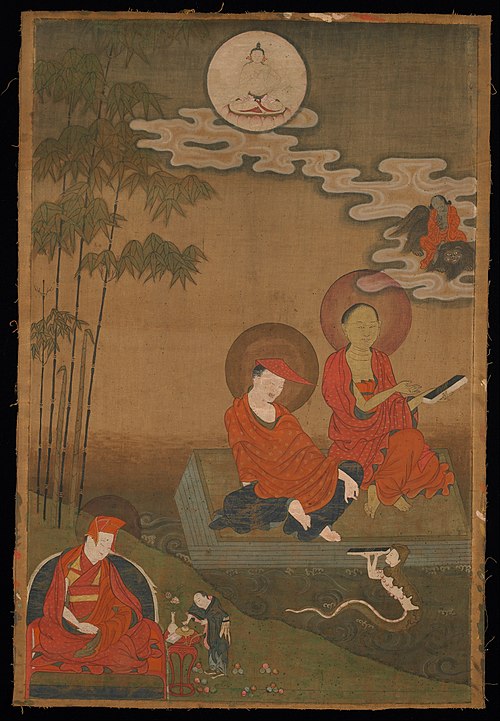
Nāgārjuna (right) and Āryadeva (middle).
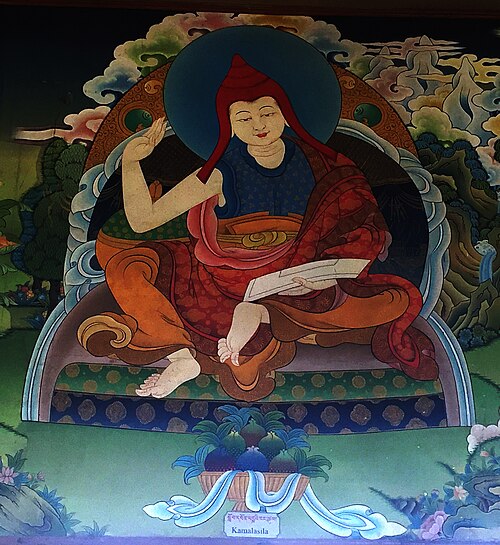
Kamalashila

Thangkha with Jonang lama Dolpopa Sherab Gyaltsen (1292–1361)
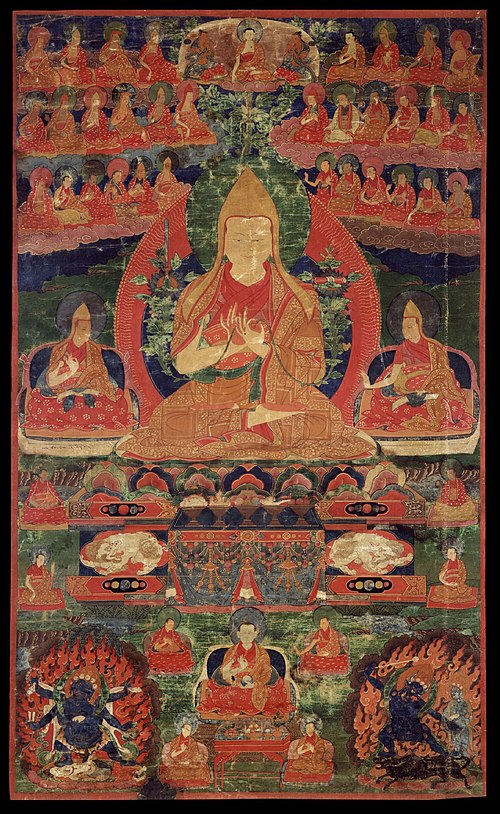
Tsongkhapa