During the 1948 Palestine war, more than 700,000 Palestinian Arabs – about half of Mandatory Palestine's predominantly Arab population – were expelled or fled from their homes. Expulsions and attacks

Ruins of the Palestinian village of Suba, near Jerusalem, overlooking Kibbutz Zova, which was built on the village lands

Ruins of the former Arab village of Bayt Jibrin, inside the green line west of Hebron

Arabs leaving Haifa as Jewish forces enter the city

Clause 10 of the 15 May 1948 Arab League cablegram stating the expulsion of, at that point, 250,000 Palestinians, as a reason for their entry into the territory
Zionism
Videos
Zionism is an ethnic nationalist movement that emerged in late 19th-century Europe to establish and support a Jewish homeland through colonization in the region of Palestine, which roughly corresponds
1948 Palestinian expulsion and flight
…Palestine's predominantly Arab population – were expelled or fled from their homes. Expulsions and attacks against Palestinians were carried out by the Zionist paramilitaries Haganah, Irgun, and Lehi, which merged to become the Israel Defense Forces after the establishment of Israel part way through the war…

Theodor Herzl was the founder of the modern Zionist movement. In his 1896 pamphlet Der Judenstaat, he envisioned the founding of a future independent Jewish state during the 20th century.
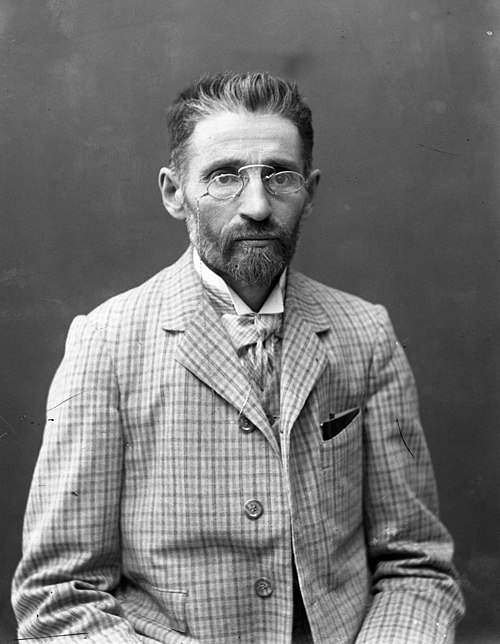
Eliezer Ben-Yehuda (1858–1922), founder and leader of the movement to revive the Hebrew language, is considered the father of Modern Hebrew.

"Memorandum to the Protestant Powers of the North of Europe and America", published in the Colonial Times (Hobart, Tasmania, Australia), in 1841

The first general assembly of the Society for the Support of Jewish Farmers and Artisans in Syria and Palestine, also known as the Odessa Committee, 1890