49th United States Congress
Videos
The 49th United States Congress was a meeting of the legislative branch of the United States federal government, consisting of the United States Senate and the United States House of Representatives.

United States Capitol (1906)

First presidential inauguration of Grover Cleveland, March 4, 1885, on the East Portico of the U.S. Capitol. "Fellow-Citizens: In the presence of this vast assemblage of my countrymen I am about to supplement and seal by the oath which I shall take the manifestation of the will of a great and free people...."
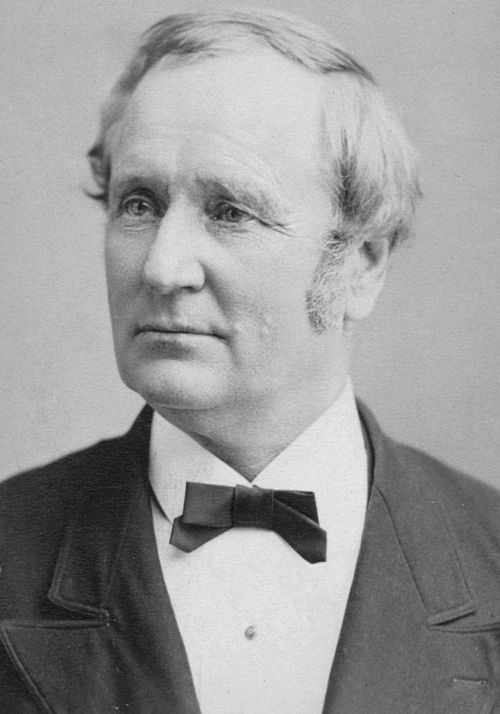
Senate President Thomas A. Hendricks
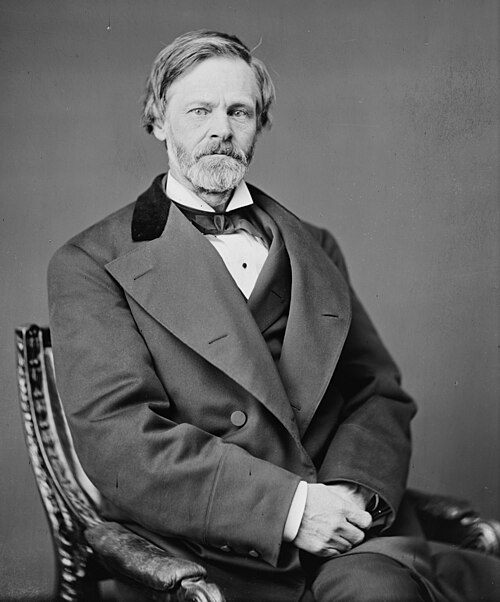
Senate President pro tempore John Sherman
Dawes Act
Videos
The Dawes Act of 1887 regulated land rights on tribal territories within the United States. Named after Senator Henry L. Dawes of Massachusetts, it authorized the President of the United States to sub
49th United States Congress
…February 4, 1887: Interstate Commerce Act, ch. 104, 24 Stat. 379 February 8, 1887: Indian General Allotment Act ("Dawes Act"), ch. 119, 24 Stat. 388 March 2, 1887: Agricultural Experiment Stations Act of 1887…

The first page of the Dawes Act

The second page of the Dawes Act

A 1911 ad offering "allotted Indian land" for sale

Stephen Grover Cleveland Portrait