Ablaq
Videos
Ablaq is an architectural technique involving alternating or fluctuating rows of light and dark stone. It is an Arabic term describing a technique associated with Islamic architecture in the Arab worl

Reception hall of Azem Palace in Damascus, Syria, using ablaq technique (18th century)

Interior of the Dome of the Rock, originally built in the 7th century, with ablaq used in the arches

Ablaq stonework on the Alaeddin Mosque in Konya (13th century)

Detail of ablaq masonry, including "joggled" masonry (bottom), at the entrance of the al-Mu'ayyad Mosque in Cairo (15th century, Mamluk period)
Ashlar
Videos
Ashlar is cut and dressed stone worked to achieve a specific form, typically rectangular; a structure built from such stones; and the look created by the dressing technique. Ashlar stone may be dry la
Ablaq
…technique is thought to possibly be a derivative from the ancient Byzantine Empire, whose architecture used alternate sequential runs of light colored ashlar stone and darker colored orange brick. The first clearly recorded use of ablaq masonry is found in repairs to the north wall of the Great Mosque of…

Dry ashlar masonry laid in parallel courses on an Inca wall at Machu Picchu
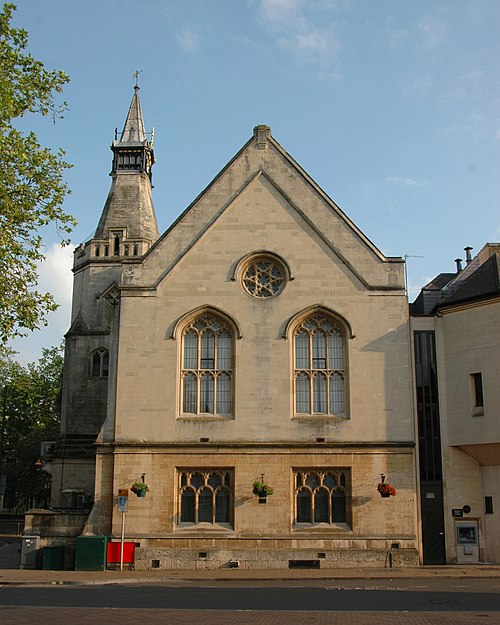
Ashlar masonry north gable of Banbury Town Hall, Oxfordshire

Quarry-faced red Longmeadow sandstone in random ashlar was specified by architect Henry Hobson Richardson for the North Congregational Church (Springfield, Massachusetts, 1871).