Akkadian language
Videos
Akkadian is an East Semitic language that is attested in ancient Mesopotamia from the mid-third millennium BC until its gradual replacement in common use by Old Aramaic among Mesopotamians by the 8th
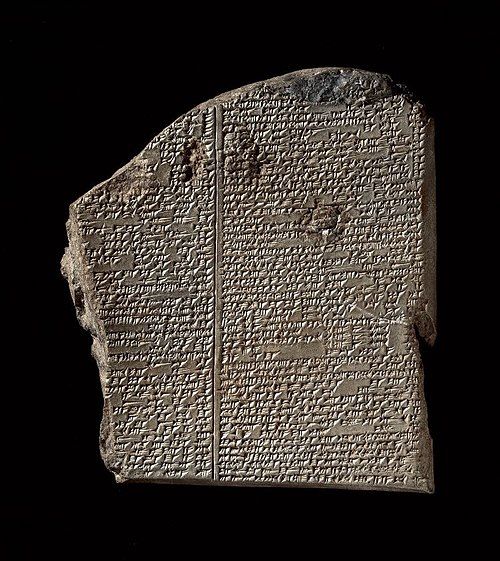
The Deluge tablet of the Gilgamesh epic in Akkadian
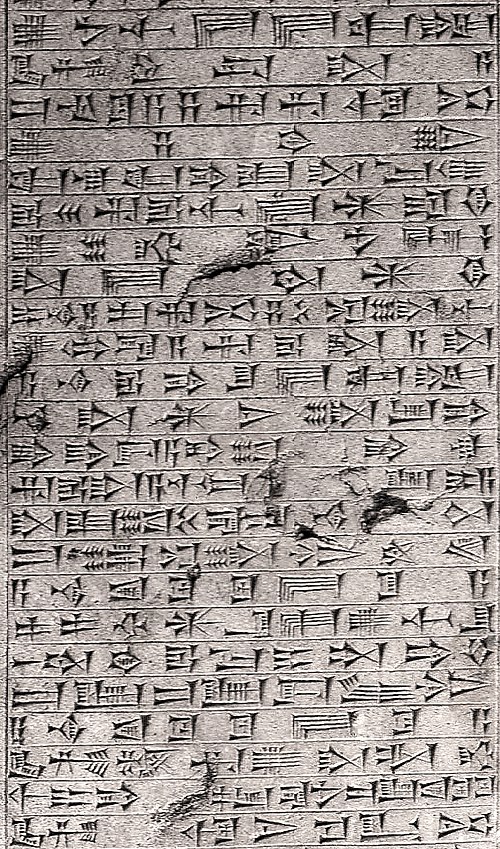
A Neo-Babylonian inscription of Nebuchadnezzar II

Georg Friedrich Grotefend

Edward Hincks
Sumerian language
Videos
Sumerian was the language of ancient Sumer. It is the oldest attested language, dating back to at least 3100 BC, perhaps earlier. It is a local language isolate, thus unrelated to any other known lang
Akkadian language
…major centre of Mesopotamian civilization during the Akkadian Empire (c. 2334–2154 BC). It was written using the cuneiform script, originally used for Sumerian, but also used to write multiple languages in the region including Eblaite, Hurrian, Elamite, Old Persian and Hittite. The influence of Sumerian on…

Sumerian 26th c Adab
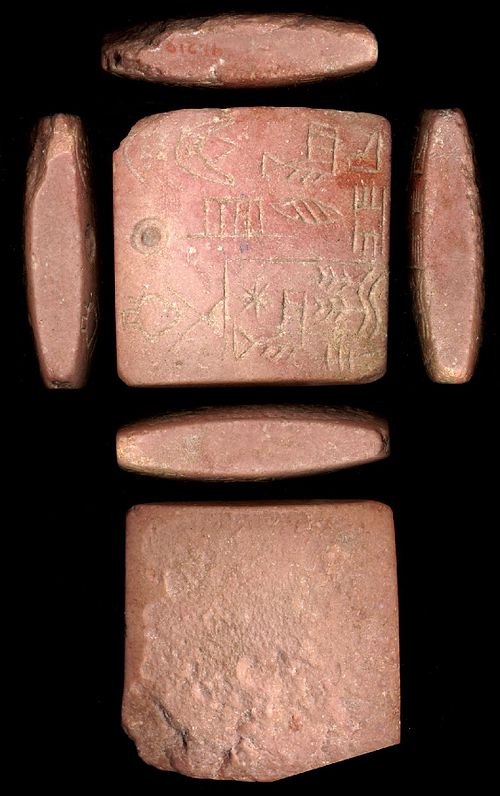
This proto-literate tablet (c. 3100 – 2900 BC) records the transfer of a piece of land (Walters Art Museum, Baltimore).

The first known Sumerian–Akkadian bilingual tablet dates from the reign of Rimush. Louvre Museum AO 5477. The top half is in Sumerian, the bottom half is its translation in Akkadian.

Letter sent by the high-priest Lu'enna to the king of Lagash (maybe Urukagina), informing him of his son's death in combat, c. 2400 BC, found in Telloh (ancient Girsu)