Al-Lat
Videos
Al-Lat, also spelled Allat, Allatu, and Alilat, is a pre-Islamic Arabian goddess, at one time worshipped under various associations throughout the entire Arabian Peninsula, including Mecca, where she
Al-Lāt with a palm branch and her lion from the Temple of Baalshamin in Palmyra, first century AD, Damascus, Syria


Statue of al-Lat-Athena found in the temple of Al-Lat, Palmyra. Palmyra Archaeological Museum

2nd-century AD statue of al-Lat-Minerva from As-Suwayda, Syria. National Museum of Damascus

Remains of the temple of al-Lat, Palmyra, Syria
Manat (goddess)
Videos
Manāt was a pre-Islamic Arabian goddess worshipped in the Arabian Peninsula before the rise of Islam and the Islamic prophet Muhammad in the 6/7th century. She was among Mecca's three chief goddesses,
Al-Lat
…one time worshipped under various associations throughout the entire Arabian Peninsula, including Mecca, where she was worshipped alongside Al-Uzza and Manat. She was depicted as the feminine counterpart, consort, or daughter of Allah. The word Allat or Elat has been used to refer to various goddesses in the…
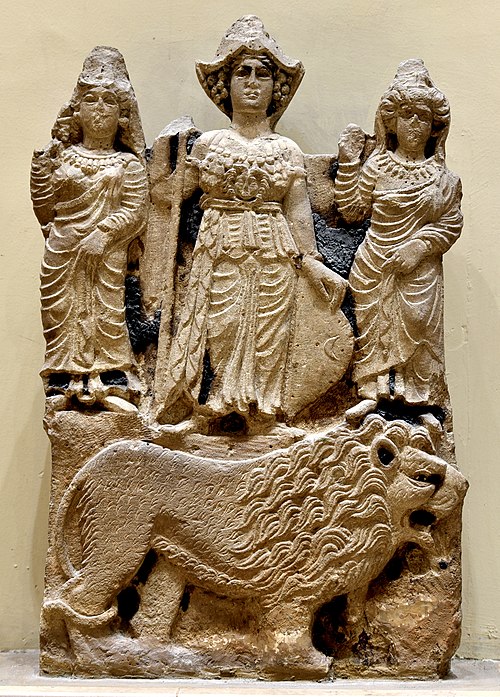
2nd century AD relief from Hatra depicting the goddess al-Lat flanked by two female figures, possibly al-Uzza and Manat
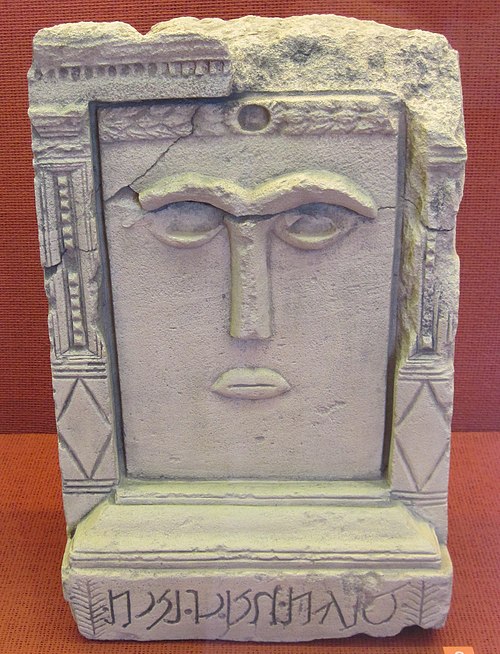
"Eye" image often associated with these goddesses