Al Fadl
Videos
Al Fadl were an Arab tribe that dominated the Syrian Desert and steppe during the Middle Ages, and whose modern-day descendants largely live in southern Syria and eastern Lebanon. The Al Fadl's progen
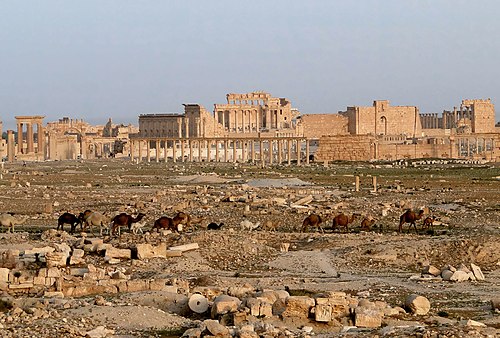
Palmyra became a hereditary iqtaʿ (fief) of the Al Fadl in 1281 under Emir Isa ibn Muhanna. It remained under the tribe's control at least through the 17th century

During Ottoman rule, the Al Fadl chieftains continued to hold the post of amir al-ʿarab and were obliged to provide over 1,000 camels to the sultan each year.

The palace of Emir Mahmoud AlFaour of Al Fadl in the Golan Heights. Fadl tribesmen had their villages and grazing grounds in the Golan Heights until the area was occupied by Israel during the Six-Day War in 1967.
Muhanna ibn Isa
Videos
Husam ad-Din Muhanna ibn Isa was the Arab lord of Palmyra and amir al-ʿarab under the Mamluk Sultanate. He served between 1284 and his death, but was dismissed and reinstated four times during this pe

The castle of Palmyra; the city's center of power