The Anglo-Scottish war, also known as the Third Civil War, was the final conflict in the Wars of the Three Kingdoms, a series of armed conflicts and political machinations between shifting alliances o

Cromwell at Dunbar, by Andrew Carrick Gow
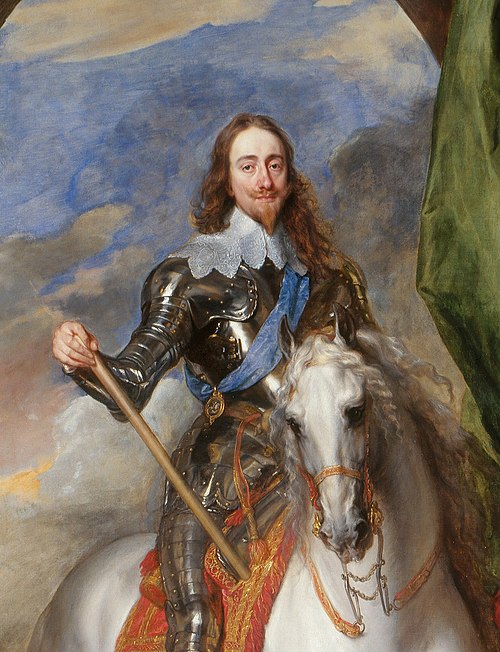
Charles I

A contemporary English view of the Scots imposing conditions on Charles II in return for their support
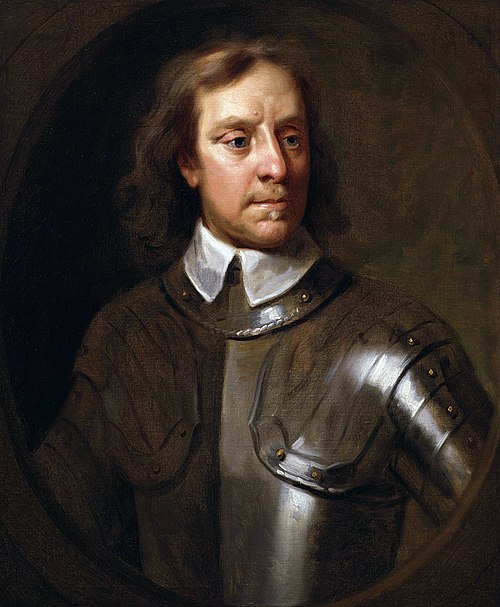
Oliver Cromwell
English Civil War
Videos
The English Civil War or Great Rebellion was a series of civil wars and political machinations between Royalists and Parliamentarians in the Kingdom of England from 1642 to 1651. Part of the wider 163
Anglo-Scottish war (1650–1652)
…refer to it as a civil war. Although the conflict was certainly a part of the wider Wars of the Three Kingdoms, rather than being a continuation of the English Civil War, it was by this stage a war between Scotland, ruled by the Covenanting government under Charles II, and the English Commonwealth. In 1639, and again…

The Battle of Naseby, 14 June 1645, a Parliamentarian victory considered to be the turning point of the English Civil War

Charles I believed in the divine right of kings; painting by Van Dyck

Henrietta Maria, painted by Peter Lely, 1660

A sitting of the Long Parliament, 1640