Apis (deity)
Videos
In ancient Egyptian religion, Apis or Hapis, alternatively spelled Hapi-ankh, was a sacred bull or multiple sacred bulls worshiped in the Memphis region, identified as the son of Hathor, a primary dei

The sacred procession of Apis Osiris by F.A. Bridgman

Pharaoh statuette with the Apis bull (British Museum)

Api or Hapi (Apis, Taureau Consacré a la Lune), N372.2, Brooklyn Museum
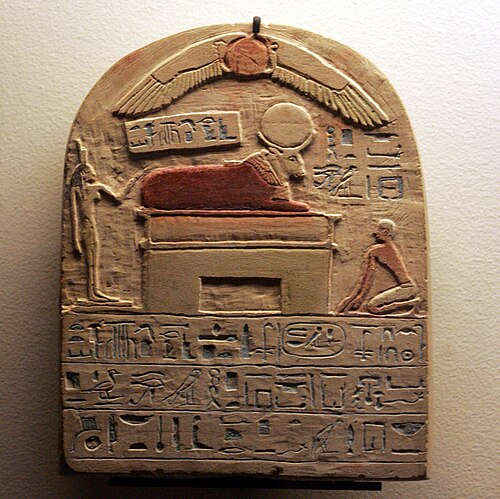
Stele dedicated to an Apis, dating to Year 21 of Psamtik I (c. 644 BCE)
Ptah
Videos
Ptah is an ancient Egyptian deity, a creator god, and a patron deity of craftsmen and architects. In the triad of Memphis, he is the husband of Sekhmet and the father of Nefertem. He was also regarded
Apis (deity)
…role in her worship, being sacrificed and reborn. Later, Apis also served as an intermediary between humans and other powerful deities (originally Ptah, later Osiris, then Atum). The Apis bull was an important sacred animal to the ancient Egyptians. As with the other sacred beasts, Apis' importance…

Statue of Ptah - Egyptian Museum of Turin, Italy

Stucco relief of Ptah holding a staff that bears the combined ankh and djed symbols, Late Period or Ptolemaic Dynasty, 4th to 3rd century BC

Colossal statue of the god Ptah-Tatenen holding hands with Ramesses II found at Memphis – Ny Carlsberg Glyptotek, Copenhagen

Relief fragment depicting Imenet, Ptah and Amenhotep I; 1569–1081 BC; limestone; 21 × 17.5 cm; Los Angeles County Museum of Art (US)