Apollo program
Videos
The Apollo program, also known as Project Apollo, was the United States human spaceflight program led by NASA, which landed the first humans on the Moon in 1969. Apollo was conceived in 1960 in the Dw
Buzz Aldrin (pictured) walked on the Moon with Neil Armstrong, on Apollo 11, July 20–21, 1969.


The Apollo 17 Lunar Roving Vehicle
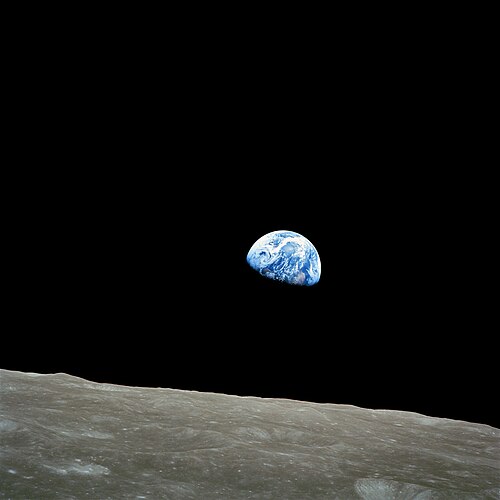
Earthrise, the iconic 1968 image from Apollo 8 taken by astronaut William Anders
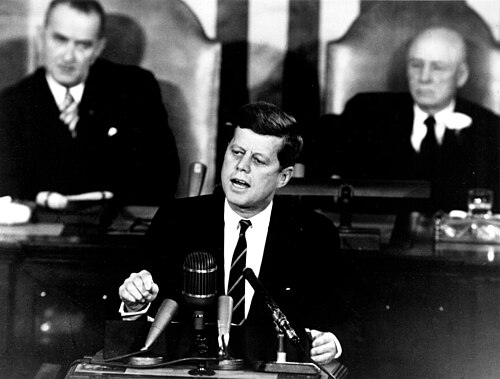
President Kennedy delivers his proposal to put a man on the Moon before a joint session of Congress, May 25, 1961.
Apollo 11
Videos
Apollo 11 was the American spaceflight that first landed humans on the Moon, and the fifth crewed mission of NASA's Apollo program. The mission was crewed by Commander Neil Armstrong, Command Module P
Apollo program
…a man on the Moon and returning him safely to the Earth" in his address to the U.S. Congress on May 25, 1961. Kennedy's goal was accomplished on the Apollo 11 mission, when astronauts Neil Armstrong and Buzz Aldrin landed their Apollo Lunar Module (LM) on July 20, 1969, and walked on the lunar surface, while…

Left to right: Armstrong, Collins, and AldrinApollo program← Apollo 10Apollo 12 →
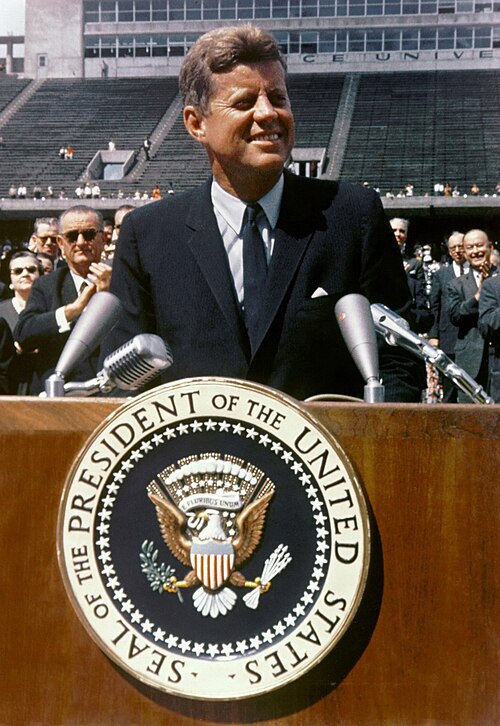
President John F. Kennedy speaking at Rice University on September 12, 1962

CAPCOM Charles Duke (left), with backup crewmembers Lovell and Haise listening in during Apollo 11's descent