Asura
Videos
Asura are a class of beings in Indian religions. They are described as power-seeking beings related to the more benevolent Deva in Hinduism. In its Buddhist context, the word is translated as "titan,"

Asura depicted in the Samudra Manthana bas-relief from Angkor Wat

The Mahadevi combatting the asura army (right), folio from the Devi Mahatmya

The deva (god) and Asura (anti-god) churning the ocean of milk, Samudra Manthan sculpture at the Suvarnabhumi Airport in Bangkok, Thailand.
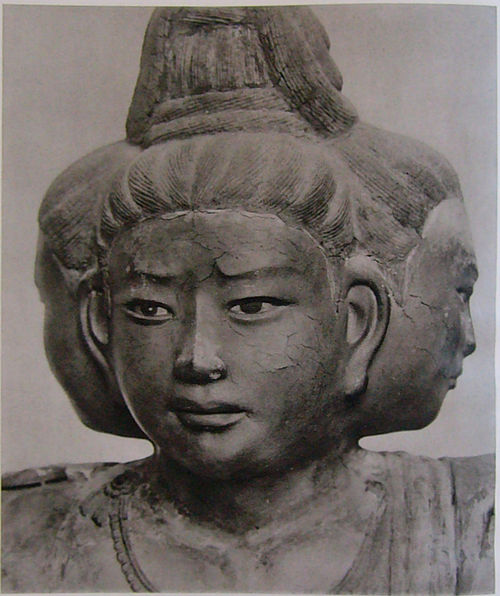
Asura at Kofukuji, a Buddhist temple in Nara, Japan
Deva (Hinduism)
Videos
Deva means 'shiny', 'exalted', 'heavenly being', 'divine being', 'anything of excellence', and is also one of the Sanskrit terms used to indicate a deity in Hinduism. Deva is a masculine term; the fem
Asura
…Asura (Sanskrit: असुर) are a class of beings in Indian religions. They are described as power-seeking beings related to the more benevolent Deva (also known as Sura) in Hinduism. In its Buddhist context, the word is translated as "titan," "demigod," or "antigod". According to Hindu texts, the…
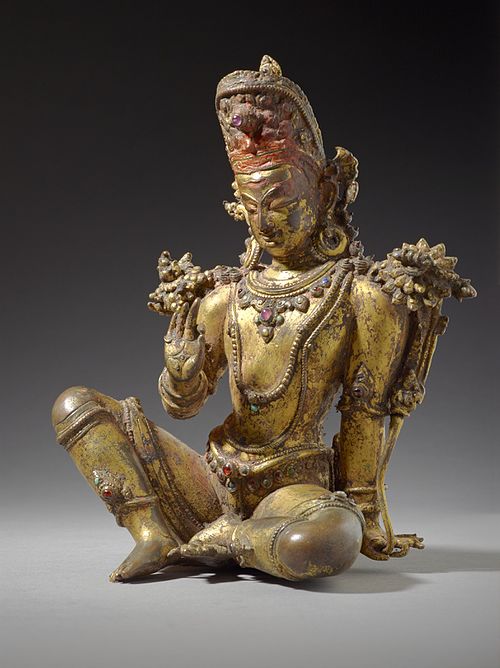
In the earliest Vedic literature, Devas are benevolent supernatural beings; above, a gilt-copper statue of Indra, "Chief of the Gods", from 16th-century Nepal.

Shiva/Rudra has been a major Deva in Hinduism since the Vedic times. Above is a meditating statue of him in the Himalayas with Hindus offering prayers.

The 12 Devas protecting Buddha, by Tani Bunchō. The Hindu Devas were adopted by Japanese Buddhists in the first millennium as Jūni-ten

Vishnu (above) is one of the Vedic Devas. The third Valli of the Katha Upanishad discusses ethical duties of man through the parable of the chariot as a means to realize the state of Vishnu, one with Self-knowledge.