Augustinian theodicy
Videos
The Augustinian theodicy, named for the 4th- and 5th-century theologian and philosopher Augustine of Hippo, is a type of Christian theodicy that developed in response to the evidential problem of evil
Augustine of Hippo (AD 354–430) as painted by Sandro Botticelli (c. 1445–1510). Augustine is credited with developing the first form of the theodicy now named for him.

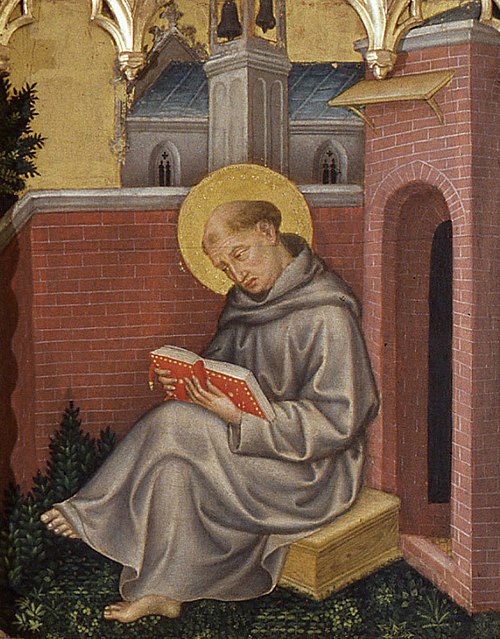
Gentile da Fabriano's portrait of Thomas Aquinas, who developed a theodicy heavily influenced by Augustine
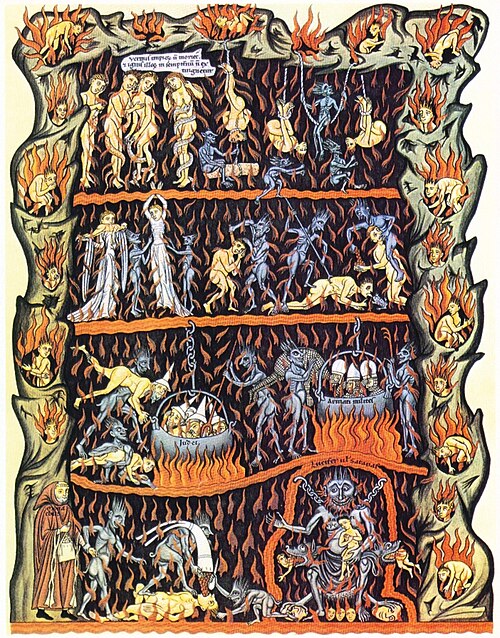
John Hick criticised the Augustinian concept of Hell, vividly depicted in this twelfth-century painting from the Hortus deliciarum by Herrad of Landsberg.

Alvin Plantinga, who presented a version of the free will defence as an alternative response to the problem of evil
Problem of evil
Videos
The problem of evil, also known as the problem of suffering, is the philosophical question of how to reconcile the existence of evil and suffering with the notion of an omnipotent, omnibenevolent, and
Augustinian theodicy
…named for the 4th- and 5th-century theologian and philosopher Augustine of Hippo, is a type of Christian theodicy that developed in response to the evidential problem of evil. As such, it attempts to explain the probability of an omnipotent (all-powerful) and omnibenevolent (all-loving) God amid evidence of evil in the world…
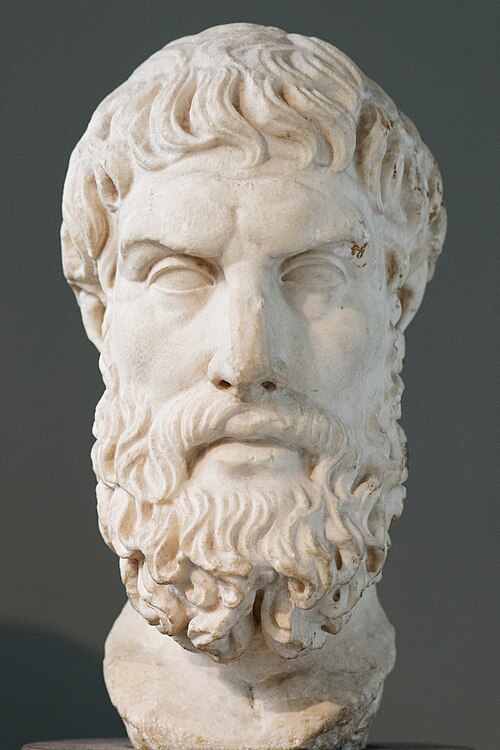
The earliest statement of the problem of evil is attributed to Epicurus, but this attribution is uncertain.

William L. Rowe's example of natural evil: "In some distant forest lightning strikes a dead tree, resulting in a forest fire. In the fire a fawn is trapped, horribly burned, and lies in terrible agony for several days before death relieves its suffering." Rowe also cites the example of human evil where an innocent child is a victim of violence and thereby suffers.

Gottfried Leibniz