Bacteriologist
Videos
A bacteriologist is a microbiologist, or similarly trained professional, in bacteriology— a subdivision of microbiology that studies bacteria, typically pathogenic ones. Bacteriologists are interested

A collage of different bacteria viewed under a microscope.

Antonie Philips van Leeuwenhoek is commonly known as "the Father of Microbiology", and is one of the first microscopists and microbiologists. He used single-lensed microscopes of his own design to observe, experiment with, and identify the first known microbes.

Famed French chemist and bacteriologist Louis Pasteur's first major work on bacterial disease prevention was with chicken cholera (Pasteurella multocida). This came about after he discovered chickens injected with aged chicken cholera bacteria cultures did not become ill like chickens injected with fresh cultures. This discovery later led to himself and others inventing antiseptic technique, vaccinations, and germ theory.

Sir William Watson Cheyne was a British surgeon and bacteriologist, who pioneered the use of antibacterial surgical methods in the United Kingdom.
Bacteriology
Videos
Bacteriology is the branch and specialty of biology that studies the morphology, ecology, genetics and biochemistry of bacteria as well as many other aspects related to them. This subdivision of micro
Bacteriologist
…A bacteriologist is a microbiologist, or similarly trained professional, in bacteriology— a subdivision of microbiology that studies bacteria, typically pathogenic ones. Bacteriologists are interested in studying and learning about bacteria…

Scanning electron micrograph of Escherichia coli, a common human pathogen and research organism.

An agar plate with bacteria spread by the streak plate method.

Salmonella growing on XLD agar
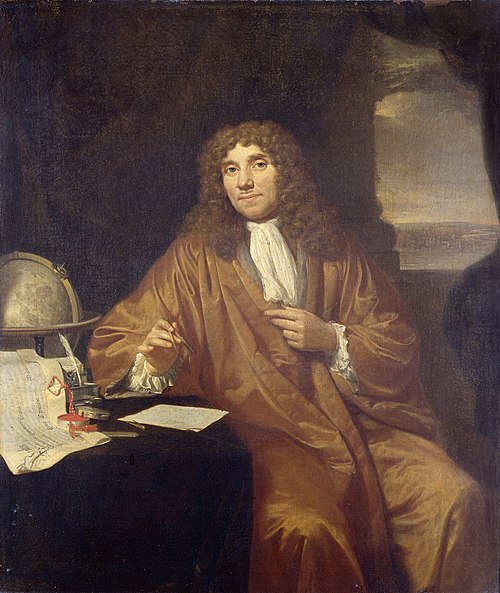
Antonie van Leeuwenhoek, the first person to observe bacteria using a microscope.