Badakhshan
Videos
Badakhshan is a historical region in Central Asia. The extent of the territory defined as Badakhshan has fluctuated throughout its history; today it chiefly comprises Badakhshan Province in northeaste
Badakshan patera, "Triumph of Bacchus", British Museum. (1st–4th century CE).


Mirza Sulayman, ruler of Badakhshan, besieging Kabul in 1556-1557

Mirza Shah Rukh (d. 1607–08), grandson of Sulaiman Mirza, and ruler of Badakhshan. Married Akbar's daughter Shakr al-Nisa Begum, and became ruler of Malwa after fleeing to the Mughal Empire.

In 1756 Badakhshan emir made the Chinese Qing dynasty recognize the Elder of Badakhshan (the "gray bearded") at Alti as sovereign in Kashgar and levied taxes on the city and parts of the province of Xinjiang.
Lapis lazuli
Videos
Lapis lazuli is a deep-blue metamorphic rock used as a semi-precious stone that has been prized since antiquity for its intense color. Its name originates from the Persian word for the gem, lāžward, a
Badakhshan
…is an important part of the region's cultural heritage. Badakhshan was an important trading center during antiquity. The only then-known deposits of lapis lazuli were mined there as early as the second half of the 4th millennium BC. Badakhshan was an important region, crossed by the Silk Road. Its significance…

Lapis lazuli in its natural state, with pyrite inclusions (specimen from Afghanistan)

Lapis lazuli seen through a microscope (x240 magnification)
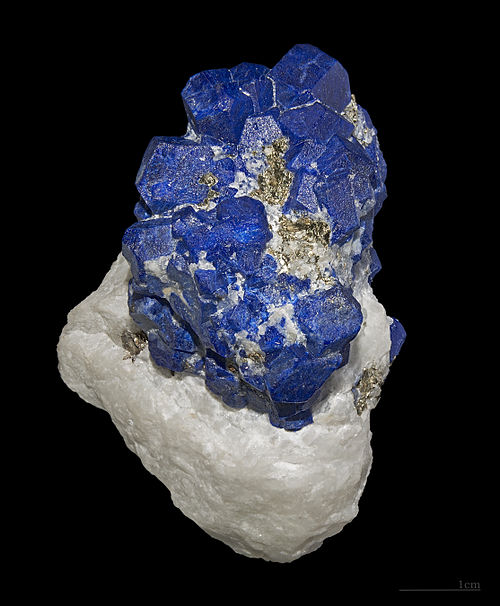
Crystals of lazurite (the main mineral in lapis lazuli) from the Sar-i Sang Mining District in Afghanistan

A polished block of lapis lazuli