Battle of Dunbar (1650)
Videos
The Battle of Dunbar was fought between the English New Model Army, under Oliver Cromwell, and a Scottish army commanded by David Leslie on 3 September 1650 near Dunbar, Scotland. The battle resulted

Cromwell at Dunbar (1886)

A contemporary English view of the Scots imposing conditions on Charles II in return for their support
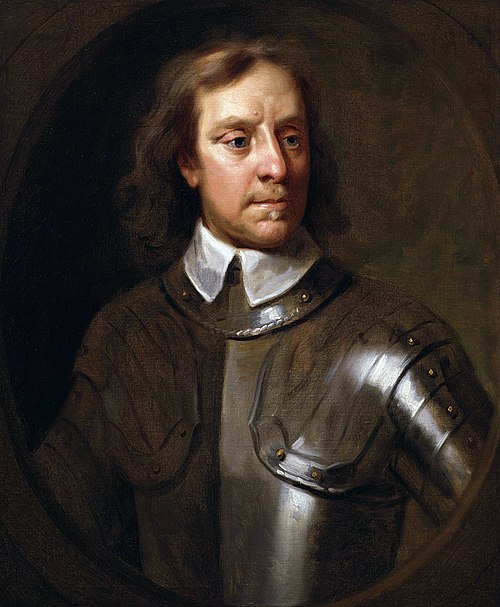
Oliver Cromwell, commander of the English forces

David Leslie, commander of the Scottish forces
Battle of Worcester
Videos
The Battle of Worcester took place on 3 September 1651 in and around the city of Worcester, England and was the last major battle of the 1642 to 1651 Wars of the Three Kingdoms. A Parliamentarian army
Battle of Dunbar (1650)
…supporters in England. The Scottish government, left in an untenable situation, surrendered to Cromwell, who then followed the Scots south. At the Battle of Worcester, precisely one year after the Battle of Dunbar, Cromwell crushed the Scottish army, ending the war. After years of rising tensions, the relationship…

Battle of Worcester, print by James Caldwall c. 1760 – c. 1770

Portrait of Oliver Cromwell by Robert Walker, 1649

Charles II of England, circa 1653

Oliver Cromwell at the Battle of Worcester, 17th century painting, artist unknown