Bayou Bienvenue
Videos
Photos
Bayou Bienvenue is a 12.1-mile-long (19.5 km) bayou and "ghost swamp" in southeastern Louisiana. It runs along the political border between Orleans Parish and St. Bernard Parish to the east of New Orleans. The Bayou Bienvenue Wetlands Triangle viewing platform in the Lower Ninth Ward provides expansive views of the bayou and also serves as an educational resource about restoration efforts in the area.

Bayou Bienvenue
Battle of New Orleans
Videos
Photos
The Battle of New Orleans was fought on January 8, 1815, between the British Army under Major General Sir Edward Pakenham and the United States Army under Brevet Major General Andrew Jackson, roughly 5 miles (8 km) southeast of the French Quarter of New Orleans, in the current suburb of Chalmette, Louisiana.

The battle as painted by Jean Hyacinthe de Laclotte, a member of the Louisiana Militia, based on his sketches made at the scene

Plan of the city and suburbs of New Orleans from an 1815 survey
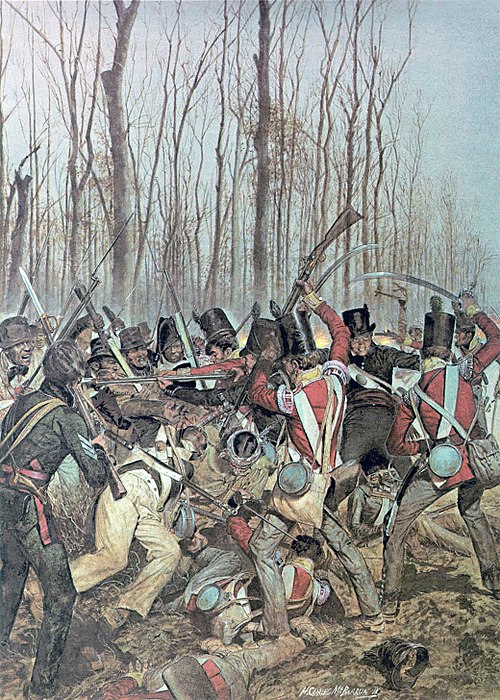
H. Charles McBarron, Free Men of Colour and Choctaw Indian Volunteers at New Orleans, Louisiana (1982)

Battery 4, in the middle of Line Jackson, contained the biggest American artillery gun, a naval 32-pounder that was transferred from the USS Carolina before she was sunk by the British.