Bouncing bomb
Videos
A bouncing bomb is a bomb designed to bounce to a target across water in a calculated manner to avoid obstacles such as torpedo nets, and to allow both the bomb's speed on arrival at the target and th

"Upkeep" bouncing bomb at the Imperial War Museum Duxford

Remains of an Upkeep test prototype recovered from Reculver in 1997, now at Herne Bay Museum

The Möhne dam breached by Upkeep bombs

Highball bouncing bomb prototype, now on display at Abbotsbury Swannery in Dorset
Barnes Wallis
Videos
Sir Barnes Neville Wallis was an English engineer and inventor. He is best known for having invented the bouncing bomb used by the Royal Air Force in Operation Chastise to attack the dams of the Ruhr
Bouncing bomb
…detonation to be predetermined, in a fashion similar to that of a regular naval depth charge. The inventor of the first such bomb was the British engineer Barnes Wallis, whose "Upkeep" bouncing bomb was used in the RAF's Operation Chastise of May 1943 to bounce into German dams and explode underwater, with an effect…

Wallis as a sub-lieutenant in the Royal Naval Air Service

R100 airship
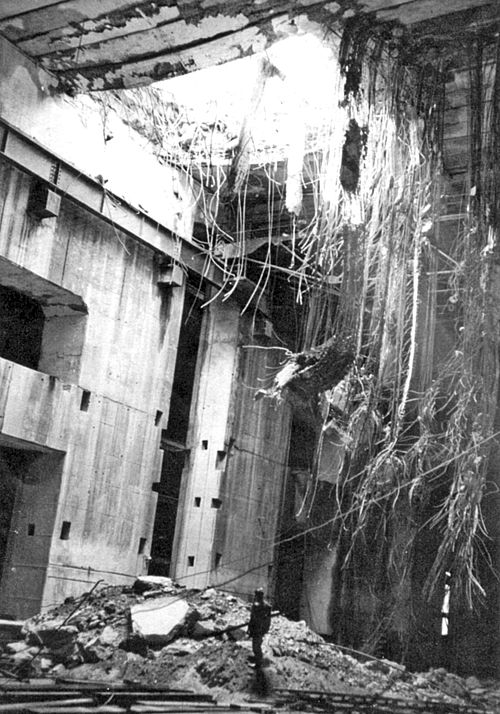
Valentin U-boat pen, with its roof of 4.5 m (15 ft) of reinforced concrete blown open by a Grand Slam bomb