British Empire
Videos
The British Empire comprised the dominions, colonies, protectorates, mandates, and other territories ruled or administered by the United Kingdom and its predecessor states. It began with the overseas
A replica of the Matthew, John Cabot's ship used for his second voyage to the New World in 1497


A 1670 illustration of African slaves working in 17th-century colonial Virginia in British America
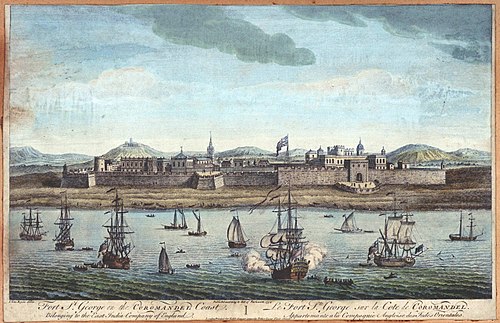
Fort St. George in Madras, India, was founded in 1639.

Robert Clive's victory at the Battle of Plassey established the East India Company as both a military and commercial power.
Commonwealth of Nations
Videos
The Commonwealth of Nations, often referred to as the British Commonwealth or simply the Commonwealth, is an international association of 56 member states, the vast majority of which are former territ
British Empire
…remnants of the empire remain under British sovereignty. After independence many former British colonies, along with most of the dominions, joined the Commonwealth of Nations, a free association of independent states. Fifteen of these, including the United Kingdom, retain the same person as monarch, currently King Charles…

The prime ministers of the five members at the 1944 Commonwealth Prime Ministers' Conference: (L-R) Mackenzie King (Canada), Jan Smuts (South Africa), Winston Churchill (United Kingdom), Peter Fraser (New Zealand) and John Curtin (Australia)

A poster from the Second World War, depicting soldiers from Britain, Canada, Australia, New Zealand, the Colony of Southern Rhodesia, South Africa and the British Raj
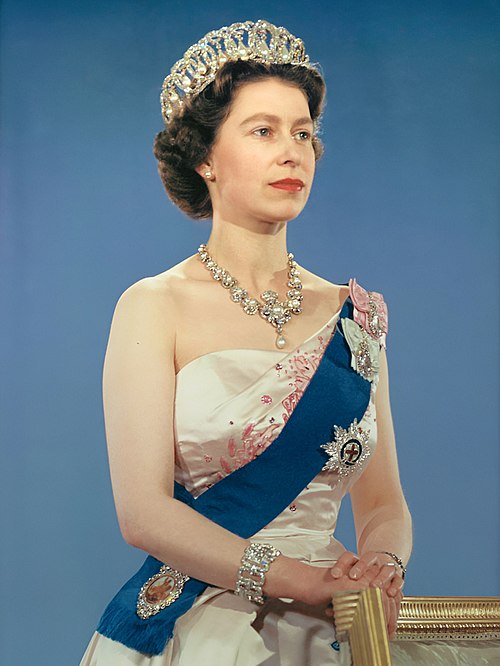
Queen Elizabeth II, the longest-serving Head of the Commonwealth, was in office for 70 years.

The 2024 Commonwealth Heads of Government Meeting in Samoa