Buddhism
Videos
Buddhism, also known as Buddhadharma and Dharmavinaya, is an Indian religion and philosophy based on teachings attributed to the Buddha, a South Asian wandering ascetic and religious teacher who lived
The Kamakura Daibutsu, a 13th-century bronze statue of the Buddha Amitābha in Kanagawa Prefecture, Japan


The Buddha, Tapa Shotor monastery in Hadda, Afghanistan, 2nd century CE

Maya Devi Temple marking the Buddha's birthplace in Lumbini, Nepal
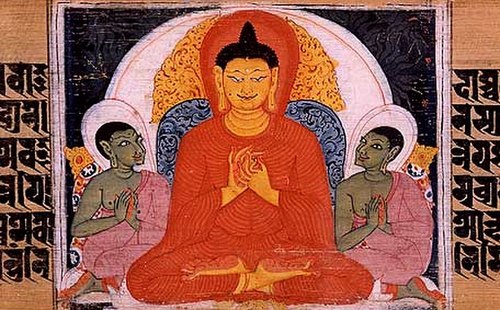
The Buddha teaching the Four Noble Truths. Sanskrit manuscript. Nalanda, Bihar, India
The Buddha
Videos
Siddhartha Gautama, most commonly referred to as the Buddha, was a wandering religious teacher who lived in the eastern Indo-Gangetic Plains during the 6th or 5th century BCE and founded Buddhism. Acc
Buddhism
…known as Buddhadharma and Dharmavinaya (transl. "doctrines and disciplines"), is an Indian religion and philosophy based on teachings attributed to the Buddha, a South Asian wandering ascetic and religious teacher who lived in the 6th or 5th century BCE. It is the world's fourth-largest religion, with about…

Sculpture of the Buddha preaching his first sermon from Sarnath, 5th century CE

The "Isapur Buddha", probably the earliest known representation of the Buddha (possibly together with the Butkara seated Buddha statue at the Butkara Stupa, Swat), on a railing post, dated to circa 15 CE.

The Relic Stupa of Vaishali, 5th century BCE which held either the Buddha's ashes or part of his relics