Indian religions
Videos
Indian religions, also known as Dharmic religions, are the religions that originated in the Indian subcontinent. These religions, which include Buddhism, Hinduism, Jainism, Sikhism and faiths based on

From left to right, then downwards: the Om (Hinduism), the Dharmachakra (Buddhism), the Jain Prateek Chihna (Jainism) and the Khanda (Sikhism) are the symbols commonly used to represent the four major Indian religions.

"Priest King" of Indus Valley Civilisation
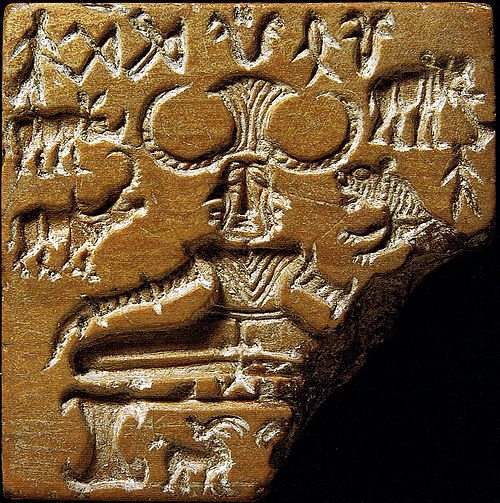
The Pashupati seal, showing a seated and possibly ithyphallic figure, surrounded by animals.

A statue of Gautama Buddha from Sarnath, Uttar Pradesh, India, 4th century CE.
Buddhism
Videos
Buddhism, also known as Buddhadharma and Dharmavinaya, is an Indian religion and philosophy based on teachings attributed to the Buddha, a South Asian wandering ascetic and religious teacher who lived
Indian religions
…76.5%) Indian religions, also known as Dharmic religions, are the religions that originated in the Indian subcontinent. These religions, which include Buddhism, Hinduism, Jainism, Sikhism and faiths based on these doctrines, are also classified as part of Eastern religions. Although Indian religions are connected…

The Kamakura Daibutsu, a 13th-century bronze statue of the Buddha Amitābha in Kanagawa Prefecture, Japan

The Buddha, Tapa Shotor monastery in Hadda, Afghanistan, 2nd century CE

Maya Devi Temple marking the Buddha's birthplace in Lumbini, Nepal
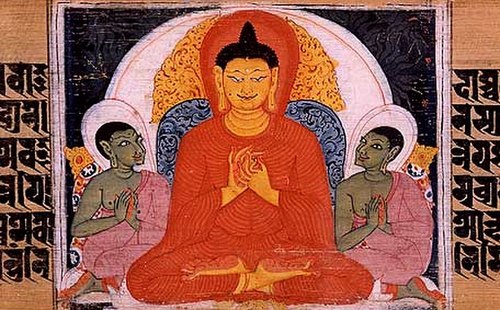
The Buddha teaching the Four Noble Truths. Sanskrit manuscript. Nalanda, Bihar, India