Carpe diem
Videos
Carpe diem is a Latin aphorism, usually translated 'seize the day', taken from book 1 of the Roman poet Horace's work Odes.
A sundial inscribed carpe diem


Gather Ye Rosebuds While Ye May, by John William Waterhouse
Odes (Horace)
Videos
The Odes are a collection in four books of Latin lyric poems by Horace. The Horatian ode format and style has been emulated since by other poets. Books 1 to 3 were published in 23 BC. A fourth book, c
Carpe diem
…Carpe diem ( ) is a Latin aphorism, usually translated 'seize the day', taken from book 1 of the Roman poet Horace's work Odes (23 BC). Carpe is the second-person singular present active imperative of carpō "pick or pluck" used by Horace to mean "enjoy, seize, use, make use…
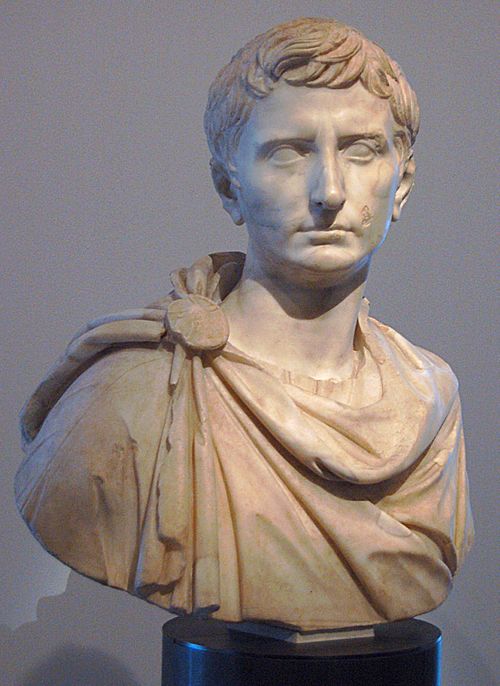
A bust of Octavian, dated c. 30 BC. Capitoline Museums, Rome

Justum et tenacem propositi virum – "a man just and steadfast in purpose", from Horace's Odes, III.3, on the gravestone of Elliot Charles Bovill, Chief Justice of the Straits Settlements, in Fort Canning Green, Singapore

Monte Soratte (Soracte) seen from Via Flaminia