Cavalier
Videos
The term Cavalier was first used to describe cavalrymen, and later by Roundheads as a term of abuse for the wealthier royalist supporters of Charles I of England and his son Charles II during the Engl
Prince Rupert of the Rhine, often considered to be an archetypal Cavalier
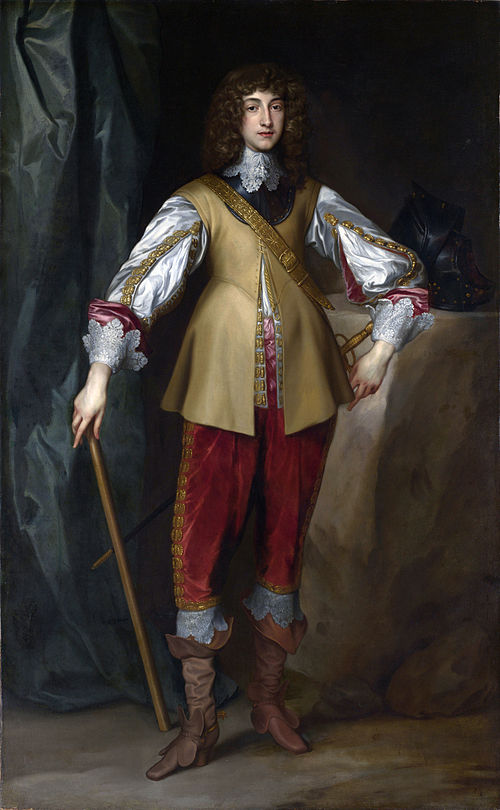

Lord John Stuart and his Brother, Lord Bernard Stuart, c. 1638, by Sir Anthony van Dyck. Both Lord John Stewart and Lord Bernard Stewart died in the English Civil War, fighting on the Royalist side.

Triple Unite gold coin of 1644: the Latin legend translates as "The Protestant religion, the laws of England, the liberty of Parliament. Let God arise and His enemies be scattered."
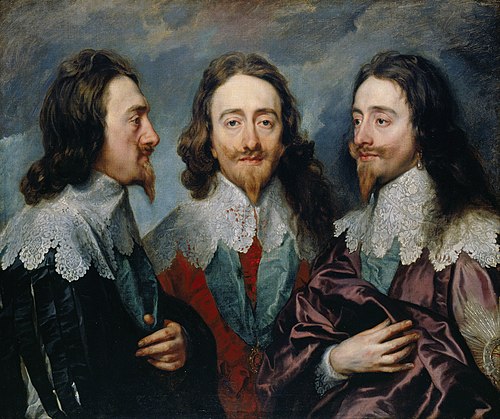
Charles I in Three Positions, the triple portrait of Charles I by Anthony van Dyck
English Civil War
Videos
The English Civil War or Great Rebellion was a series of civil wars and political machinations between Royalists and Parliamentarians in the Kingdom of England from 1642 to 1651. Part of the wider 163
Cavalier
…cavalrymen, and later by Roundheads as a term of abuse for the wealthier royalist supporters of Charles I of England and his son Charles II during the English Civil War, the Interregnum, and the Restoration (1642 – c. 1679). It was later adopted by the Royalists themselves. Although it referred originally to political…

The Battle of Naseby, 14 June 1645, a Parliamentarian victory considered to be the turning point of the English Civil War

Charles I believed in the divine right of kings; painting by Van Dyck

Henrietta Maria, painted by Peter Lely, 1660

A sitting of the Long Parliament, 1640