Charles Lyell
Videos
Sir Charles Lyell, 1st Baronet was a Scottish geologist who demonstrated the power of known natural causes in explaining the earth's history. He is best known today for his association with Charles Da
Portrait of Lyell by George J. Stodart


Charles Lyell at the British Association meeting in Glasgow 1840. Painting by Alexander Craig.

A page from one of Lyell's notebooks, held in the University of Edinburgh's Heritage Collections

The frontispiece from Elements of Geology
Principles of Geology
Videos
Principles of Geology: Being an Attempt to Explain the Former Changes of the Earth's Surface, by Reference to Causes Now in Operation is a book by the Scottish geologist Charles Lyell that was first p
Charles Lyell
…power of known natural causes in explaining the earth's history. He is best known today for his association with Charles Darwin and as the author of Principles of Geology (1830–33), which presented to a wide public audience the idea that the earth was shaped by the same natural processes still in operation today, operating…
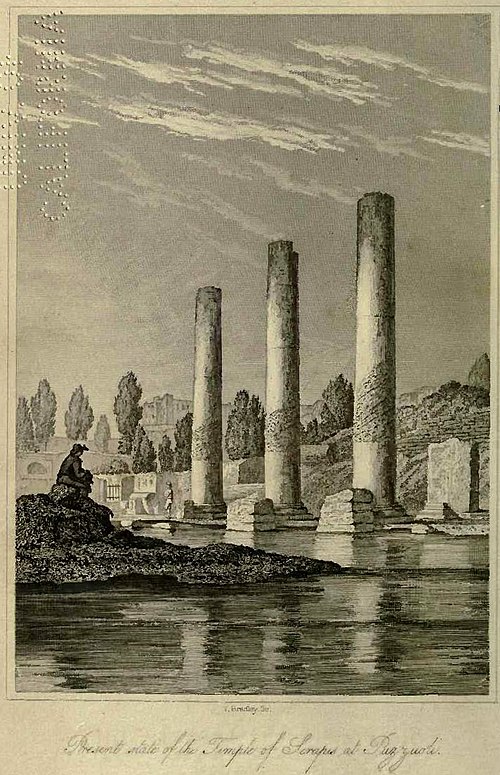
The frontispiece showing the Temple of Serapis was carefully reduced from that given by the Canonico Andrea de Jorio in his Ricerche sul Tempio di Serapide, in Puzzuoli. Napoli, 1820, which was based on a drawing by John Izard Middleton.