Civil rights movement
Videos
The civil rights movement was a social movement in the United States from 1954 to 1968 which aimed to abolish legalized racial segregation, discrimination, and disenfranchisement in the country, which

The 1963 March on Washington participants and leaders marching from the Washington Monument to the Lincoln Memorial
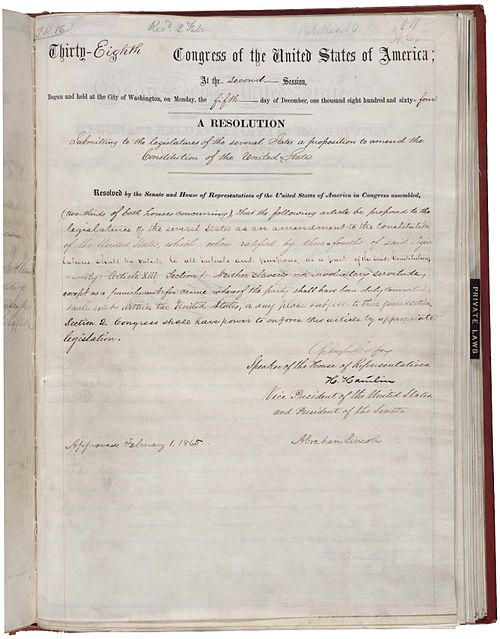
13th Amendment in the National Archives, bearing the signature of Abraham Lincoln

The mob-style lynching of Will James, Cairo, Illinois, 1909

Lynching victim Will Brown, who was mutilated and burned during the Omaha, Nebraska race riot of 1919. Postcards and photographs of lynchings were popular souvenirs in the U.S.
Malcolm X
Videos
Malcolm X was an African American revolutionary, civil rights activist, and Muslim minister who was a prominent figure during the civil rights movement until his assassination in 1965. He discovered t
Civil rights movement
…Americans, though informal racism remained. In the mid-1960s, the Black power movement emerged, shaped in significant part by the ideas and example of Malcolm X and the Black Panther Party, criticizing leaders of the civil rights movement for their moderate, incremental tendencies. A wave of civil unrest in…

Malcolm X in 1964

A Boston police mug shot of Malcolm taken in 1944, following his arrest for larceny

Malcolm X speaking to members of the African-American Students Foundation. (1959)
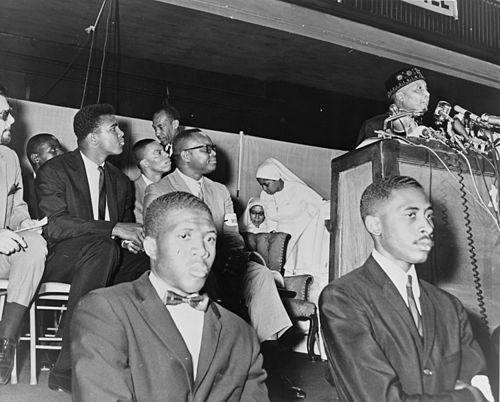
Muhammad Ali (second row, in dark suit) watches Elijah Muhammad speak, 1964