Classical element
Videos
The classical elements typically refer to earth, water, fire, air, and aether which were proposed to explain the nature and complexity of all matter in terms of simpler substances. Ancient cultures in
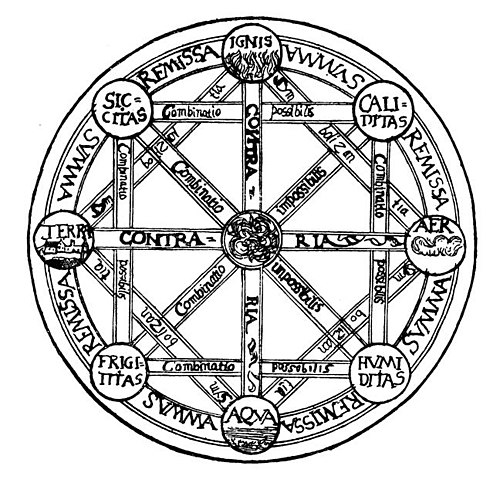
Leibniz's representation of the universe as a result of the combination of Aristotle's four elements

Rococo set of personification figurines of the Four Elements, 1760s, Chelsea porcelain
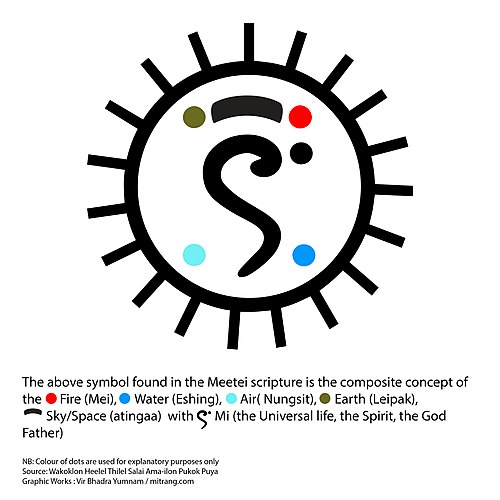
The concept of five classical elements in the traditional Meitei religion (Sanamahism)

Plato
Alchemy
Videos
Alchemy is an ancient branch of natural philosophy, a philosophical and protoscientific tradition that was historically practised in China, India, the Muslim world, and Europe. In its Western form, al
Classical element
…The elemental system used in medieval alchemy was developed primarily by the anonymous authors of the Arabic works attributed to Pseudo Apollonius of Tyana. This system consisted of the four classical…

15th century depiction of an Ouroboros from the alchemical treatise Aurora consurgens (Zurich, Rheinau 172).

Ambix, cucurbit and retort of Zosimos (man. Paris, Grec 2327).

15th-century artistic impression of Jabir ibn Hayyan (Geber), Codici Ashburnhamiani 1166, Biblioteca Medicea Laurenziana, Florence

"An illuminated page from a book on alchemical processes and receipts", ca. 15th century. Welcome Collection ref: MS.446