The coat of arms of the Czech Republic is divided into two principal variants. The greater coat of arms has quarters representing the Czech lands, the three historical regions which make up the nation
Přemyslid dynasty (Duchy of Bohemia) Right: The earliest known colored coat of arms of Přemyslids depicted in the Passional of Abbes Kunigunde (1310s)

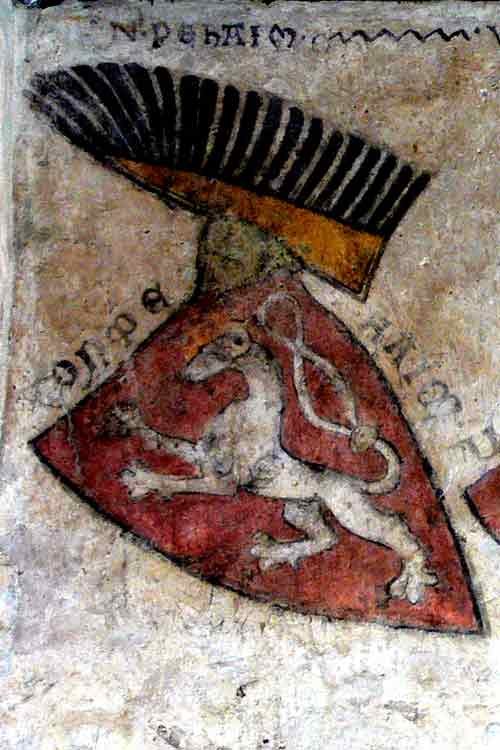
Kingdom of Bohemia (Royal Arms of Bohemia) Right: The oldest depiction of coat of arms of Bohemia, castle Gozzoburg in Krems, fresco painting from the beginning of 1270s

Right: The oldest depiction of coat of arms of Moravia, castle Gozzoburg in Krems, fresco painting from the beginning of 1270s

Lesser Royal Arms of Bohemia Right: Colored coat of arms of Bohemia depicted in the Passional of Abbes Kunigunde (1310s)
Crown of Saint Wenceslas
Videos
The crown of Saint Wenceslas is a crown forming part of the Bohemian crown jewels, made in 1346. Charles IV, king of Bohemia and Holy Roman Emperor, had it made for his coronation, dedicating it to th


Replica of the crown in the Old Royal Palace of Prague Castle