Lion (heraldry)
Videos
The lion is a common charge in heraldry. It traditionally symbolises courage, nobility, royalty, strength, stateliness and valour, because historically the lion has been regarded as the "king of beast
A Lion of Saint Mark, from the Echternach Gospels (late 7th century).

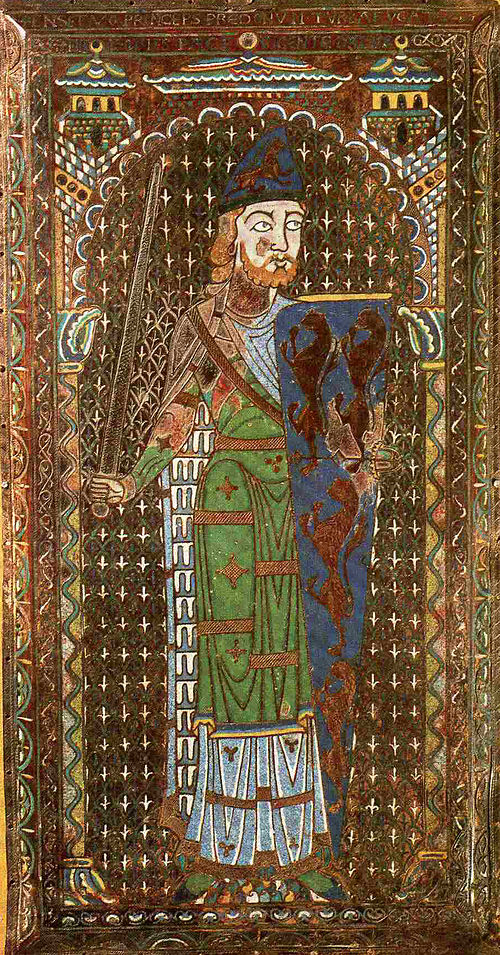
Enamel from the tomb of Geoffrey Plantagenet, Count of Anjou (c. 1160).

The shield of Conrad of Thuringia (c. 1230s), a rare example of a preserved 13th-century knightly shield, displaying the Ludovingian lion barry.

The coat of arms of the Landgrave of Hesse in the Wernigerode Armorial (late 15th century), shown as combining the lions of Hesse, Katzenelnbogen and Diez)
Heraldry
Videos
Heraldry is a discipline relating to the design, display, study and transmission of armorial bearings. A full heraldic achievement may include a coat of arms on a shield, helmet and crest, together wi
Lion (heraldry)
…The lion is a common charge in heraldry. It traditionally symbolises courage, nobility, royalty, strength, stateliness and valour, because historically the lion has been regarded as the "king…

The German Hyghalmen Roll was made in the late 15th century and illustrates the German practice of repeating themes from the arms in the crest (Roll of arms).
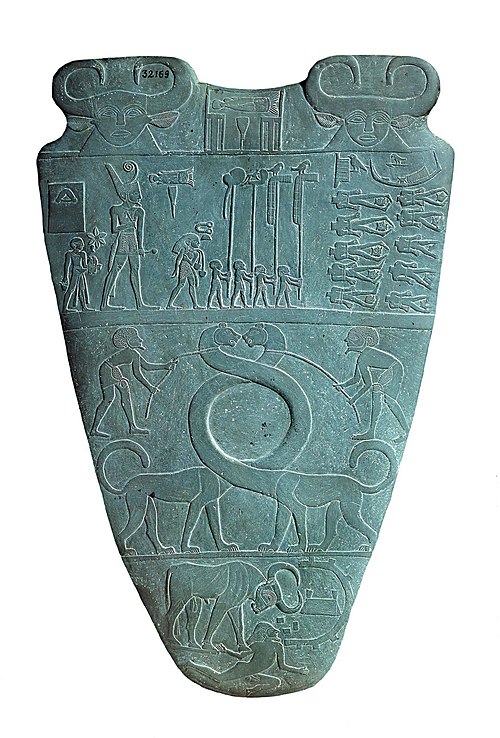
Reverse of the Narmer Palette, circa 3100 BC. The top row depicts four men carrying standards. Directly above them is a serekh containing the name of the king, Narmer.

Fresco depicting a shield of a type common in Mycenaean Greece.
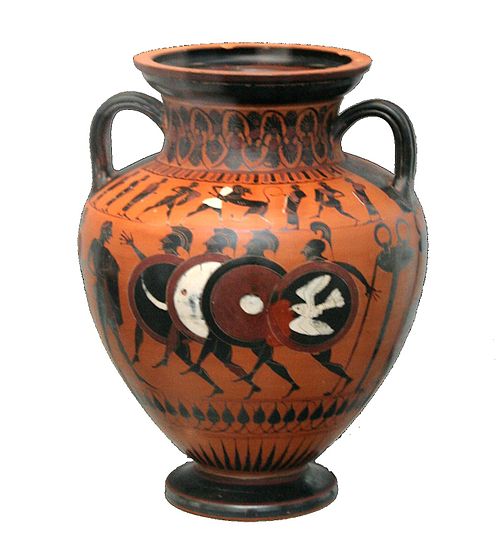
Vase with Greek soldiers in armour, ca. 550 BC.