The collodion process is an early photographic process. The collodion process, mostly synonymous with the "collodion wet plate process", requires the photographic material to be coated, sensitized, exposed, and developed within the span of about fifteen minutes, necessitating a portable darkroom for use in the field. Collodion is normally used in its wet form, but it can also be used in its dry form, at the cost of greatly increased exposure time. The increased exposure time made the dry form unsuitable for the usual portraiture work of most professional photographers of the 19th century. The use of the dry form was mostly confined to landscape photography and other special applications where minutes-long exposure times were tolerable.
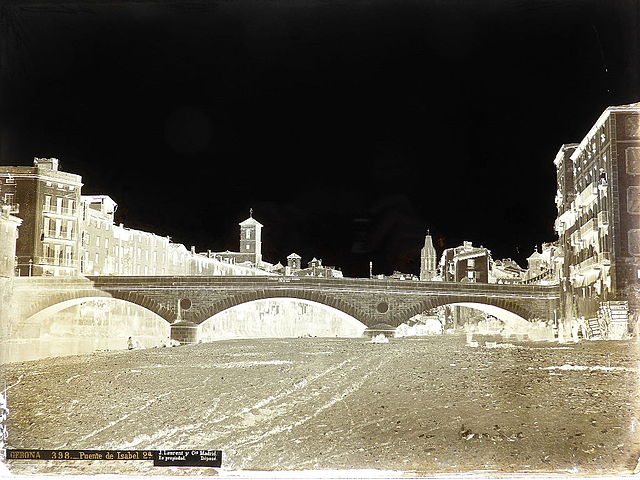
1867. Collodion wet plate process. GERONA.- Puente de Isabel II. Ministry of Education, Culture and Sport (Spain).
This deteriorated dry plate portrait of Theodore Roosevelt is similar to a wet plate image but has substantial differences.
A portable photography studio in 19th-century Ireland. The wet collodion process sometimes gave rise to portable darkrooms, as photographic images needed to be developed while the plate was still wet.
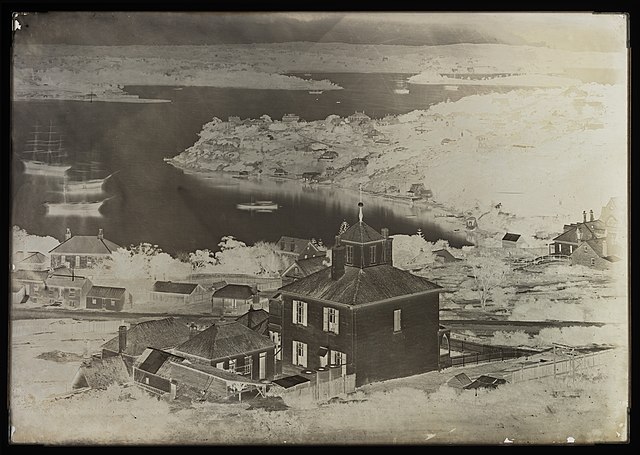
North Sydney and Sydney Harbour, by C Bayliss B Holtermann, 1875, colossal collodion glass-plate negative
Photography is the art, application, and practice of creating images by recording light, either electronically by means of an image sensor, or chemically by means of a light-sensitive material such as photographic film. It is employed in many fields of science, manufacturing, and business, as well as its more direct uses for art, film and video production, recreational purposes, hobby, and mass communication.
Photographers at the Chicago Old Town Art Fair in 1968
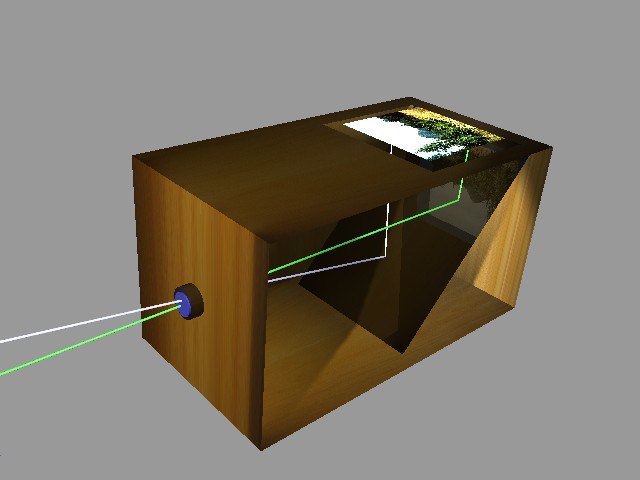
A camera obscura used for drawing
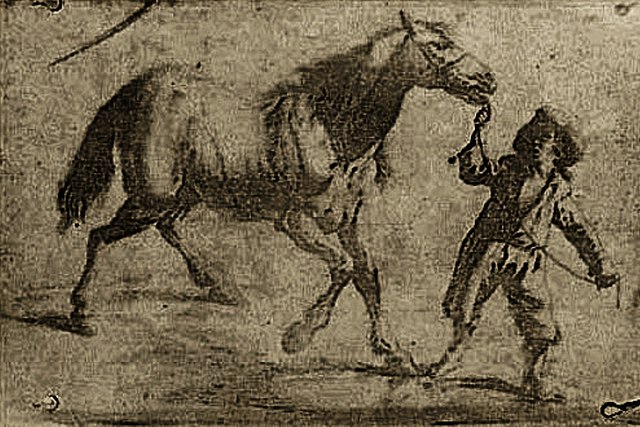
Earliest known surviving heliographic engraving, 1825, printed from a metal plate made by Nicéphore Niépce. The plate was exposed under an ordinary engraving and copied it by photographic means. This was a step towards the first permanent photograph taken with a camera.
View of the Boulevard du Temple, a daguerreotype made by Louis Daguerre in 1838, is generally accepted as the earliest photograph to include people. It is a view of a busy street, but because the exposure lasted for several minutes the moving traffic left no trace. Only the two men near the bottom left corner, one of them apparently having his boots polished by the other, remained in one place long enough to be visible.