Color of water
Videos
The color of water varies with the ambient conditions in which that water is present. While relatively small quantities of water appear to be colorless and transparent, pure water has a slight blue co
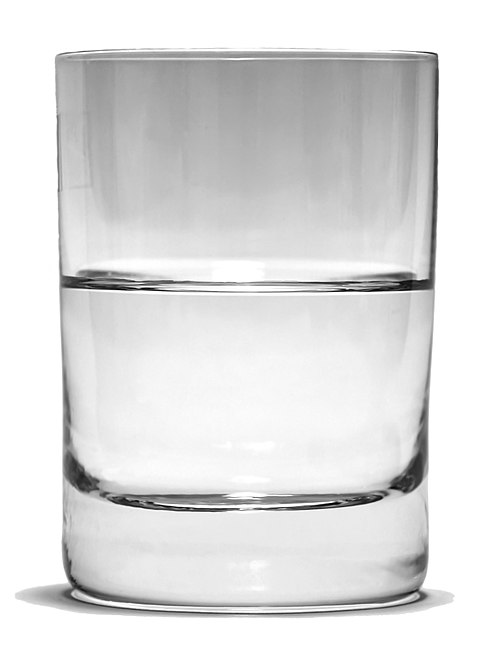
When water is in small quantities (e.g. in a glass) it appears colorless to the human eye.

An indoor swimming pool appears sky blue from above, as light reflecting from the bottom of the pool travels through enough water that its red component is absorbed. The same water in a smaller bucket looks only slightly sky blue, and observing the water at close range makes it appear colorless to the naked eye.

Large bodies of water such as oceans manifest water's inherent blue color.

The hue of the reflected sky contributes to the perceived azure color of water, but most of the cyan color comes from the intrinsic color of water scattered back up to the surface by small suspended particles.
Glacier
Videos
A glacier is a persistent body of natural ice, a form of rock, that is constantly moving under its own weight. A glacier forms where the accumulation of snow exceeds its ablation over many years, ofte
Color of water
…a cyan or light azure tint. This is most commonly noticed with distant mountains, but also contributes to the cyanness of the ocean in the distance. Glaciers are large bodies of ice and snow formed in cold climates by processes involving the compaction of fallen snow. While snowy glaciers appear white from…

Glacier of the Geikie Plateau in Greenland

The Taschachferner in the Ötztal Alps in Austria. The mountain to the left is the Wildspitze (3,768 m), the second highest in Austria

The Baltoro Glacier in Pakistan. It is 62 kilometres (39 mi) long, the fifth longest alpine glacier in the world.
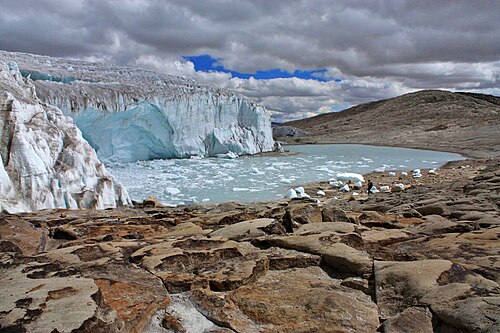
The Quelccaya Ice Cap in Peru is the second-largest glaciated area in the tropics