The constitutional status of Cornwall has been a matter of debate and dispute. Cornwall is currently an administrative county of England, with movements advocating for Cornwall to be regarded separate
Roman Britannia showing those areas under Roman rule and the position of Dumnonia as a part of Roman Britain


The British Isles c. 802, showing "West Wales Cornwall" across the Tamar from Wessex

An imaginative 16th-century illustration of the English parliament in front of Edward I. From its foundation until 1707, it intermittently included areas not now considered to be in England, e.g., Wales was represented in the parliament from 1536 onwards. At other times, Berwick-upon-Tweed and Calais were included, but Berwick was not formally incorporated into England until the 19th century.
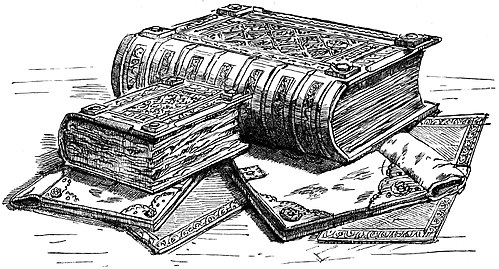
A line drawing of the Domesday Book. Notably, large swathes of northern England, Winchester and London do not appear in it, but Cornwall does.
Cornish nationalism
Videos
Cornish nationalism is a cultural, political and social movement that seeks the recognition of Cornwall – the south-westernmost part of the island of Great Britain – as a nation distinct from England.
Constitutional status of Cornwall
…with movements advocating for Cornwall to be regarded separately from being a county of England and either as a country of the United Kingdom or an independent country in its own right. In ethnic and cultural terms, until around 1700, Cornwall and its inhabitants were regarded as a separate people by their English neighbours. One…

St Piran's Day is an annual patronal Cornish festival celebrating Cornish culture and history every 5 March

Cornish constitutionalists argue that William, Duke of Cornwall is the de jure head of state in Cornwall.

At the time of King Canute, Cornwall fell outside his British realms.

Monument supporting Cornish identity