Daimyo
Videos
Daimyo or daimio were powerful Japanese magnates, feudal lords who, from the 15th century to the early Meiji period in the middle 19th century, ruled most of Japan from their vast hereditary land hold
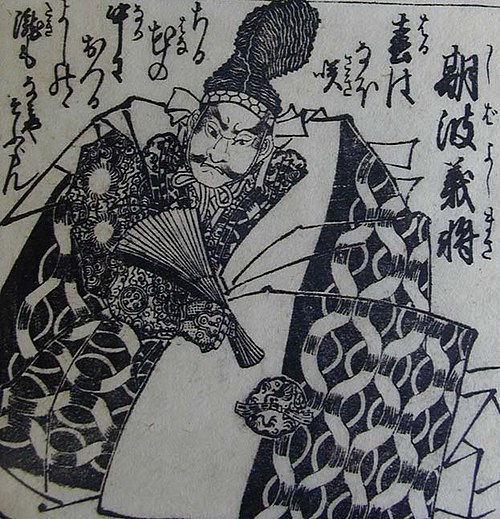
Shiba Yoshimasa of Shiba clan, one of the shugo-daimyō
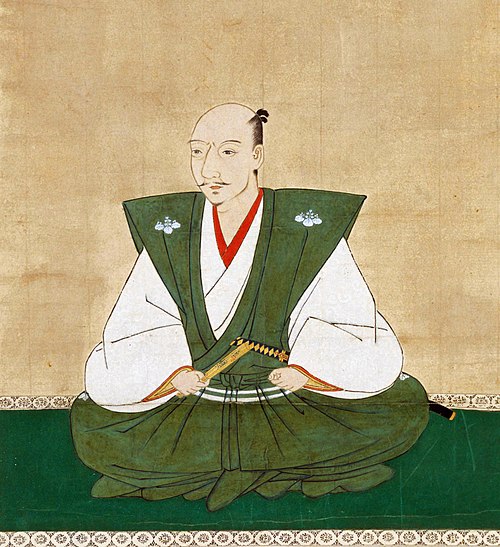
Oda Nobunaga, a powerful daimyo during the Sengoku period

Date Tanemune, a daimyo during the Sengoku period

Date Munenari, 8th head of the Uwajima Domain
Oda Nobunaga
Videos
Oda Nobunaga was a Japanese samurai and daimyō and one of the leading figures of the Sengoku and Azuchi-Momoyama periods. He was the Tenka-bito and regarded as the first "Great Unifier" of Japan. He i
Daimyo
…deputies fell from power and were replaced by a new class, the sengoku-daimyō, who arose from the ranks of the shugodai and jizamurai. Sengoku-daimyo Oda Nobunaga, a powerful daimyo during the Sengoku period Date Tanemune, a daimyo during the Sengoku period Whereas the shugo daimyo of the Muromachi period received…

Portrait of Oda Nobunaga in colour on silk (1583, in Kobe City Museum, Important Cultural Property)

Site of Nagoya Castle (那古野城跡)

Statue of Oda Nobunaga at Kiyosu Castle