Buddhism, which originated in India, gradually dwindled in that region starting in the 4th–6th century CE, and was largely ousted by Hinduism approximately by the 12th century, in a centuries-long pro

The Buddhist Nalanda university and monastery was a major institution of higher-learning in ancient India from the 5th century CE until the 12th century.

Buddha as Vishnu at Chennakesava Temple (Somanathapura).

The image, in the chapter on India in Hutchison's Story of the Nations edited by James Meston, depicts the Turkic general Muhammad Bakhtiyar Khalji's massacre of Buddhist monks in Bihar. Khalji destroyed the Nalanda and Vikramshila universities during his raids across North Indian plains, massacring many Buddhist and Brahmin scholars.

Ruins of Vikramashila, it was one of the most important centers of learning, during the Pala Empire, established by Emperor Dharmapala. Atiśa, the renowned pandita, is sometimes listed as a notable abbot.
Hinduism
Videos
Hinduism is an umbrella term for a range of Indian religious and spiritual traditions that are unified by adherence to Dharma, a cosmic order maintained by its followers through rituals and righteous
Decline of Buddhism in the Indian subcontinent
…Buddhism, which originated in India, gradually dwindled in that region starting in the 4th–6th century CE, and was largely ousted by Hinduism approximately by the 12th century, in a centuries-long process. Lack of appeal among the rural masses, who instead embraced religious rituals and beliefs…
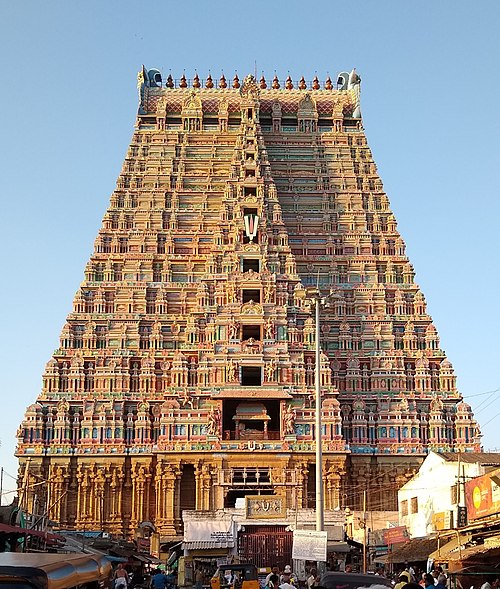
Srirangam Ranganathaswamy Temple, dedicated to the Hindu deity Vishnu, is said to be worshiped by Ikshvaku (and the descendants of Ikshvaku Vamsam).

Angkor Wat temple in Cambodia, the largest Hindu temple in the world

Pashupatinath Temple in Nepal, dedicated to the Hindu deity Shiva as the lord of all beings
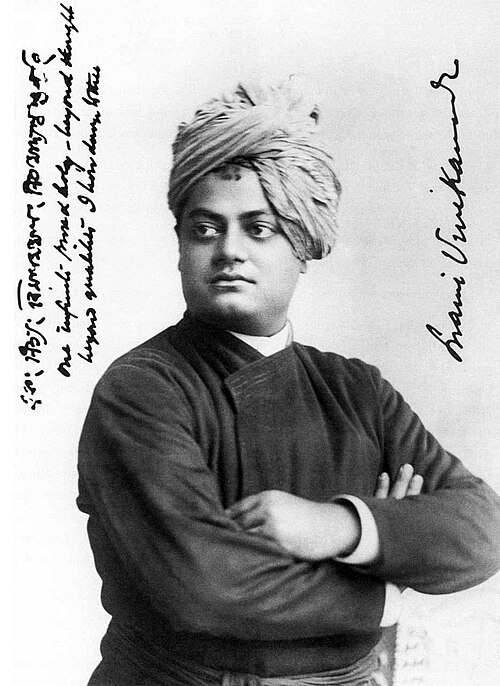
Swami Vivekananda was a key figure in introducing Vedanta and Yoga in Europe and the United States, raising interfaith awareness and making Hinduism a world religion.