Dharma
Videos
Dharma is a key concept in various Indian-origin religions. The term dharma does not have a single, clear translation and conveys a multifaceted idea. Etymologically, it comes from the Sanskrit dhr-,

The Prakrit word "dhaṃ-ma"/𑀥𑀁𑀫 (Sanskrit: Dharma धर्म) in the Brahmi script, as inscribed by Emperor Ashoka in his Edicts of Ashoka (3rd century BCE)

Rituals and rites of passage

Sannyasa and stages of life
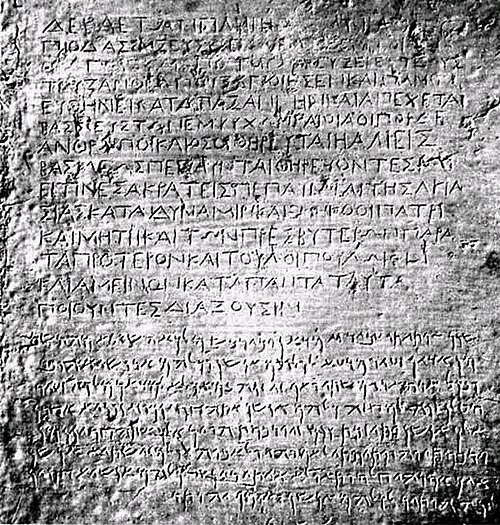
The Kandahar Bilingual Rock Inscription is from Indian Emperor Asoka in 258 BCE, and found in Afghanistan. The inscription renders the word dharma in Sanskrit as eusebeia in Greek, suggesting dharma in ancient India meant spiritual maturity, devotion, piety, duty towards and reverence for human community.
Hinduism
Videos
Hinduism is an umbrella term for a range of Indian religious and spiritual traditions that are unified by adherence to Dharma, a cosmic order maintained by its followers through rituals and righteous
Dharma
…or duties; the dharma of a farmer differs from the dharma of a soldier, thus making the concept a dynamic one. The antonym of dharma is adharma. In Hinduism, dharma denotes behaviours that are considered to be in accord with Ṛta—the "order and custom" that makes life and the universe possible. This includes…
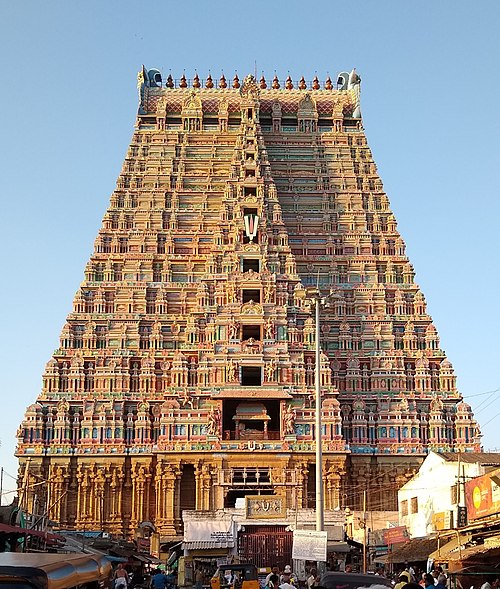
Srirangam Ranganathaswamy Temple, dedicated to the Hindu deity Vishnu, is said to be worshiped by Ikshvaku (and the descendants of Ikshvaku Vamsam).

Angkor Wat temple in Cambodia, the largest Hindu temple in the world

Pashupatinath Temple in Nepal, dedicated to the Hindu deity Shiva as the lord of all beings
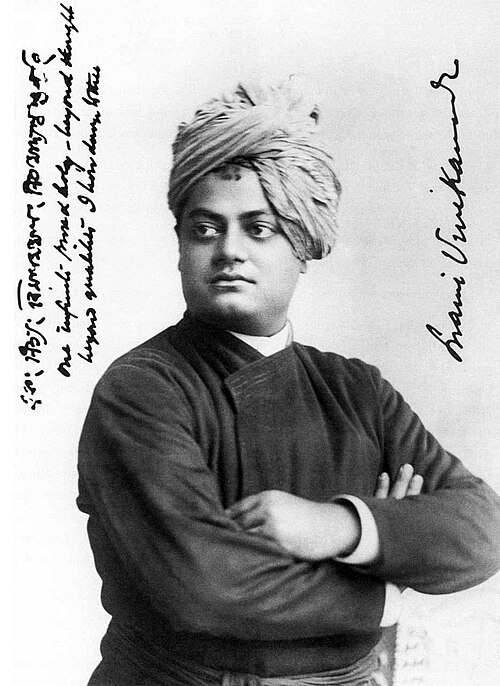
Swami Vivekananda was a key figure in introducing Vedanta and Yoga in Europe and the United States, raising interfaith awareness and making Hinduism a world religion.