Dionysian Mysteries
Videos
The Dionysian Mysteries were a ritual of ancient Greece and Rome which sometimes used psychoactive substances and other trance-inducing techniques to remove inhibitions. It also provided some liberati
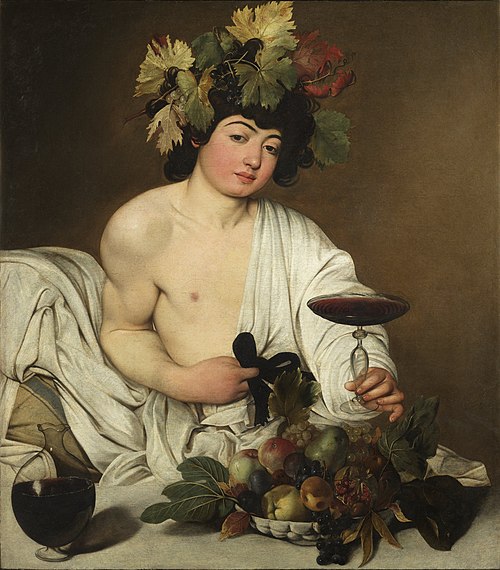
Dionysus in Bacchus by Caravaggio

The Derveni krater, height: 90.5 cm (35 ½ in.), 4th century BC

Marble table support adorned by a group including Dionysus, Pan and a Satyr; Dionysus holds a rhyton (drinking vessel) in the shape of a panther; traces of red and yellow colour are preserved on the hair of the figures and the branches. From an Asia Minor workshop, 170–180 AD, National Archaeological Museum, Athens, Greece.

A Hellenistic Greek mosaic depicting the god Dionysos as a winged daimon riding on a tiger, from the House of Dionysos at Delos (which was once controlled by Athens) in the South Aegean region of Greece, late 2nd century BC, Archaeological Museum of Delos
Dionysus
Videos
In ancient Greek religion and myth, Dionysus is the god of wine-making, orchards, fruit, vegetation, fertility, festivity, insanity, ritual madness, religious ecstasy, and theatre. He was also known a
Dionysian Mysteries
…non-citizens. In their final phase the Mysteries shifted their emphasis from a chthonic, underworld orientation to a transcendental, mystical one, with Dionysus changing his nature accordingly. By its nature as a mystery religion reserved for the initiated, many aspects of the Dionysian cult remain unknown and…

Second-century Roman statue of Dionysus, after a Hellenistic model (ex-coll. Cardinal Richelieu, Louvre)

Dionysus extending a drinking cup (kantharos) (late sixth century BC)

Dionysus triumph, a mosaic from the House of Poseidon, Zeugma Mosaic Museum.

Golden naiskos with Dionysus, 2nd cent. BC.