Dudum siquidem
Videos
Photos
Dudum siquidem was a papal bull issued by Pope Alexander VI on 26 September 1493, one of the Bulls of Donation addressed to the Catholic Monarchs Isabella I of Castile and Ferdinand II of Aragon which supplemented the bull Inter caetera and purported to grant to them "all islands and mainlands whatsoever, found and to be found, discovered and to be discovered, that are or may be or may seem to be in the route of navigation or travel towards the west or south, whether they be in western parts, or in the regions of the south and east and of India".

Pope Alexander VI

Ferdinand and Isabella, to whom the bull is addressed
Pope Alexander VI
Videos
Photos
Pope Alexander VI was head of the Catholic Church and ruler of the Papal States from 11 August 1492 until his death in 1503. Born into the prominent Borgia family in Xàtiva in the Kingdom of Valencia under the Crown of Aragon, Rodrigo studied law at the University of Bologna. He was ordained deacon and made a cardinal in 1456 after the election of his uncle as Pope Callixtus III, and a year later he became vice-chancellor of the Catholic Church. He proceeded to serve in the Curia under the next four popes, acquiring significant influence and wealth in the process. In 1492, Rodrigo was elected pope, taking the name Alexander VI.

Portrait attributed to Pedro Berruguete (c. 1495, oil on canvas, Vatican Museums)
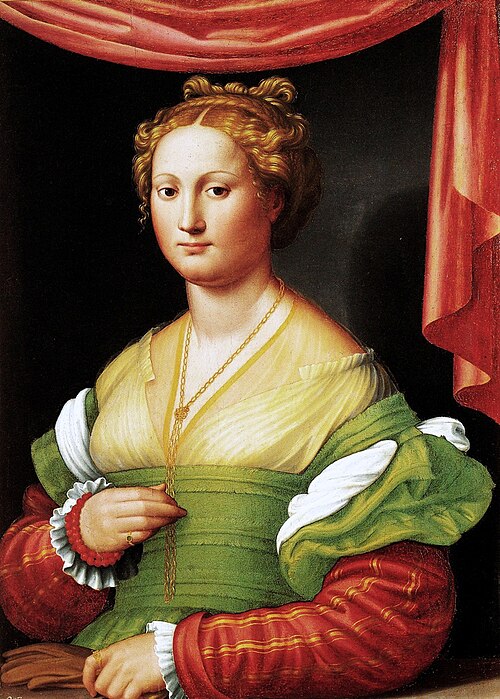
Vannozza dei Cattanei

Plaque outside the Archbishop's Palace, Valencia . Translation: Alexander VI, 9 July 1492, Pope Innocent VIII, at the request of Cardinal Borja and the Catholic Monarchs, raised the Valencian See to the rank of metropolitan, making Rodrigo of Borja the first Archbishop of Valencia 1492–1503.
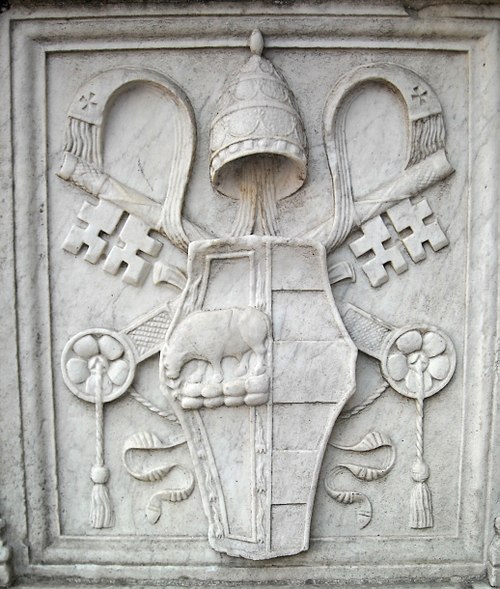
Coat of arms of Alexander VI – Castel Sant'Angelo, Rome